Level 2 - The Body Code®
“Your entire body is intelligent, not just your brain. Your organs are separate intelligence within your body that perform certain functions and produce specific emotions or feelings”
This quote by Dr Bradley Nelson, creator of the Body Code®, highlights that our body exhibits remarkable intelligence extending far beyond conscious thought. Rather than functioning as a single system, it is a network of interconnected intelligences working together. Each organ plays a unique role in supporting our overall wellbeing through processes such as subconscious communication, adaptive responses, pain signalling, and kinaesthetic intelligence.

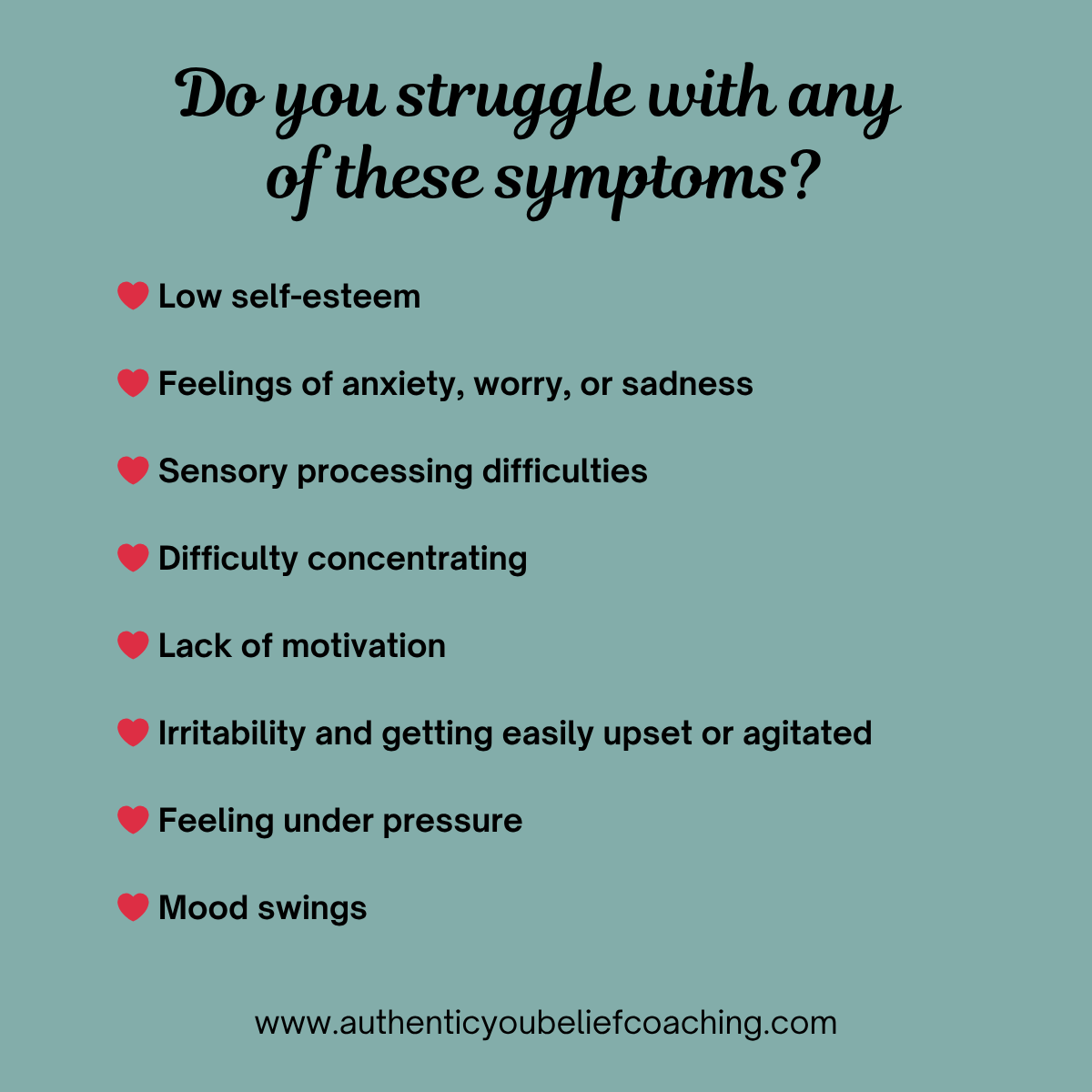
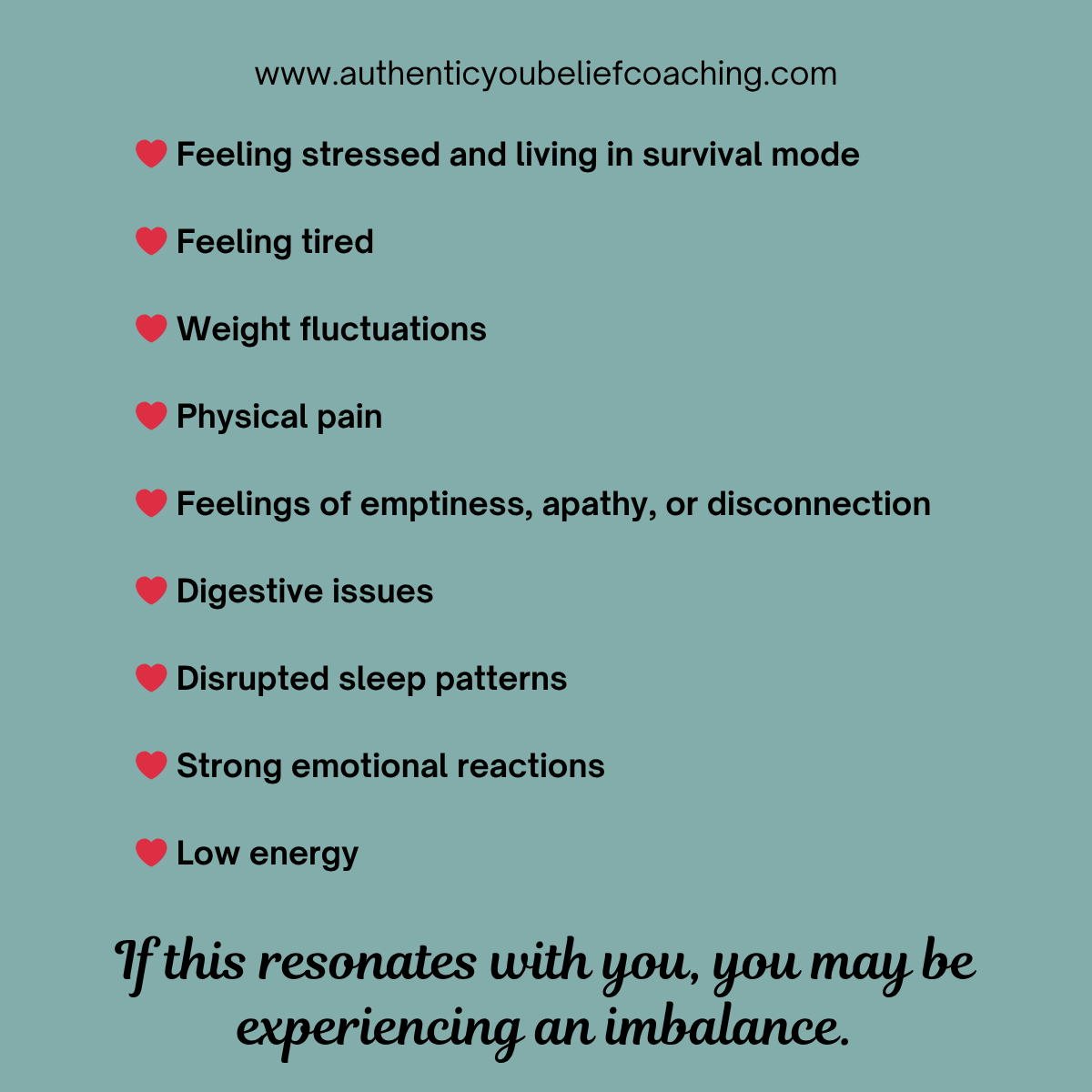

Do you struggle with or feel any of these symptoms?
Feeling Tired
Lacking Energy
Lack of Motivation
Stressed and living in survival mode
Burnt-out
Under Pressure
Irritability and getting easily upset or agitated
Difficulty Concentrating
Low Self-esteem
Emptiness, Apathy, and Disconnected from others
Mood Swings
Persistent feelings of Anxiety, Worry or Sadness
Disrupted Sleep patterns
Menopause / Perimenopause symptoms
Stuck and not able to move on from situations
Phobias, Addictions or Bad Habits
Physical Pain
Digestive Issues
Weight Fluctuations
Sensory Processing difficulties or strong emotional reactions to sensory stimulation, including extra sensitivity, overstimulation, or limited input from senses e.g. sight, hearing, taste, smell, touch
If this resonates with you, you may be experiencing an imbalance...
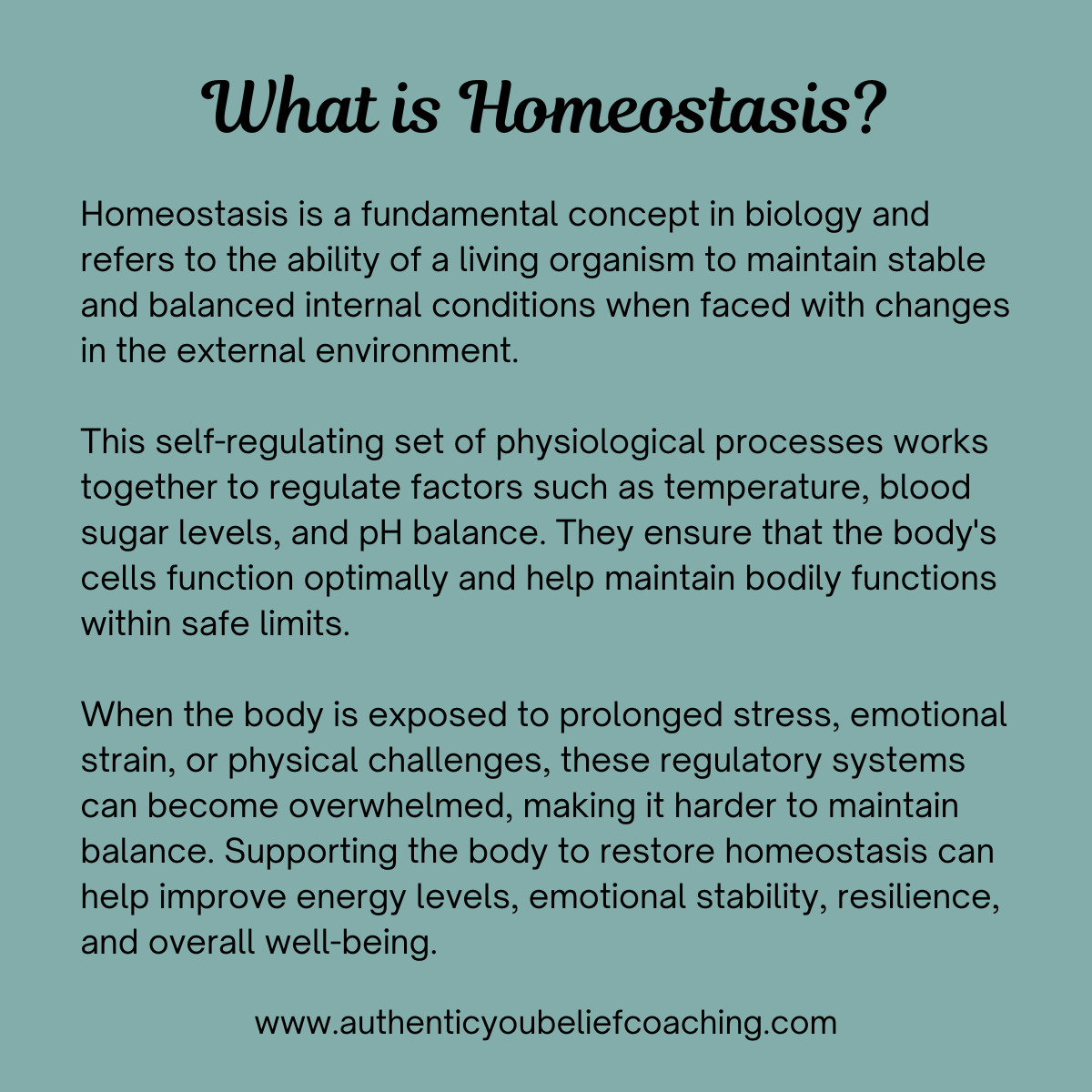
What is homeostasis?
Homeostasis is a fundamental concept in biology that refers to a living organism's ability to maintain stable and balanced internal conditions in response to changes in the external environment.
This self-governing set of physiological processes works together to regulate factors such as temperature, blood sugar levels, and pH balance. These mechanisms ensure that the body’s cells function optimally and help maintain bodily functions within safe limits.
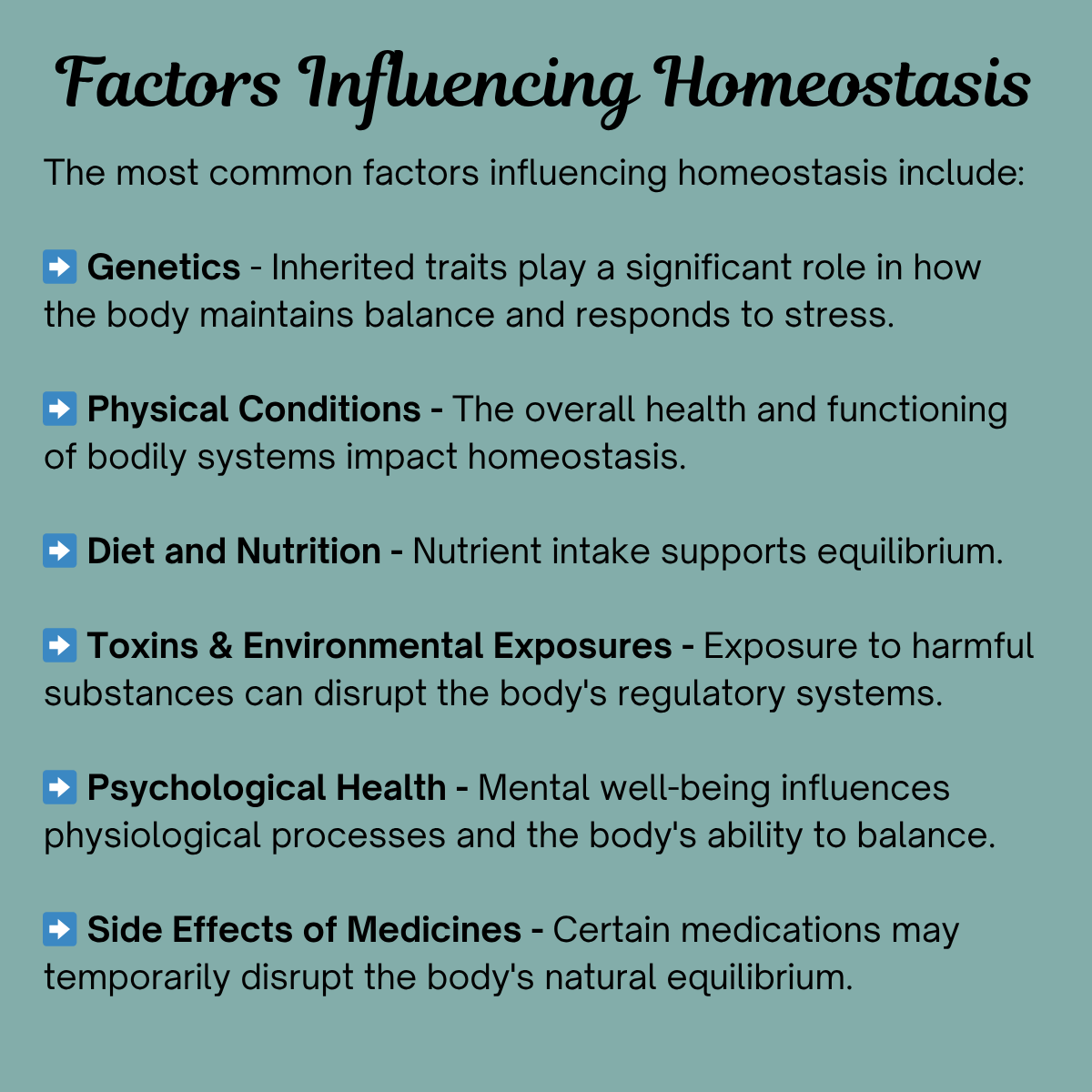
The most common factors influencing homeostasis include:
Genetics: Inherited traits play a significant role in maintaining balance within the body.
Physical Conditions: The overall health and functioning of bodily systems impact homeostasis.
Diet and Nutrition: Nutrient intake is essential for maintaining equilibrium.
Venoms and Toxins: Exposure to harmful substances can disrupt the body’s balance.
Psychological Health: Mental wellbeing affects physiological processes.
Side Effects of Medicines: Certain treatments can disrupt homeostasis.
What happens when homeostasis is disrupted?
A homeostatic imbalance occurs when the body's variables are no longer maintained within their normal ranges, leading to a deviation from a stable or optimal state and disrupting the body’s equilibrium.
An imbalance is not inherently good or bad; its effects depend on the individual’s overall state and the severity of the deviation. For example, a healthy person exposed to a toxin may process it effectively due to their robust homeostatic mechanisms.
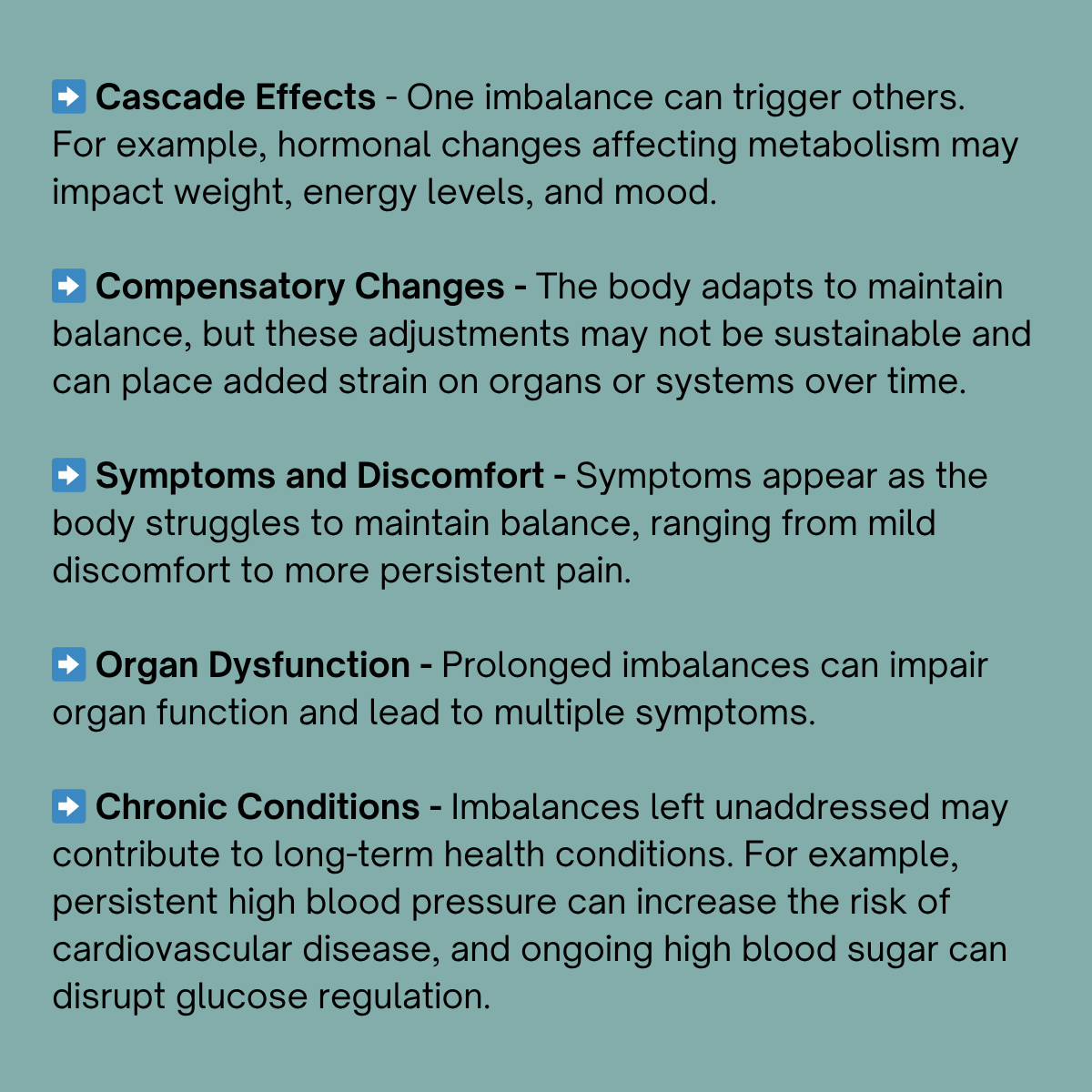
When the body’s innate mechanisms fail to correct imbalances, several outcomes can occur:
Cascade Effects: One imbalance can trigger others. For example, hormonal imbalances can affect metabolism which in turn can impact weight, energy levels, and mood.
Compensatory Changes: The body may attempt to compensate for the imbalance, but these adaptations may not be sustainable. Over time, they can put additional strain on organs or systems.
Symptoms and Discomfort: As the body struggles to maintain balance, symptoms can emerge, ranging from mild discomfort to severe pain.
Organ Dysfunction: Prolonged imbalances can impair organ function, leading to multiple symptoms.
Chronic Conditions: Unaddressed imbalances can lead to chronic health issues. For example, consistently high blood pressure can result in cardiovascular disease, while elevated blood sugar disrupts glucose metabolism, potentially causing diabetes.
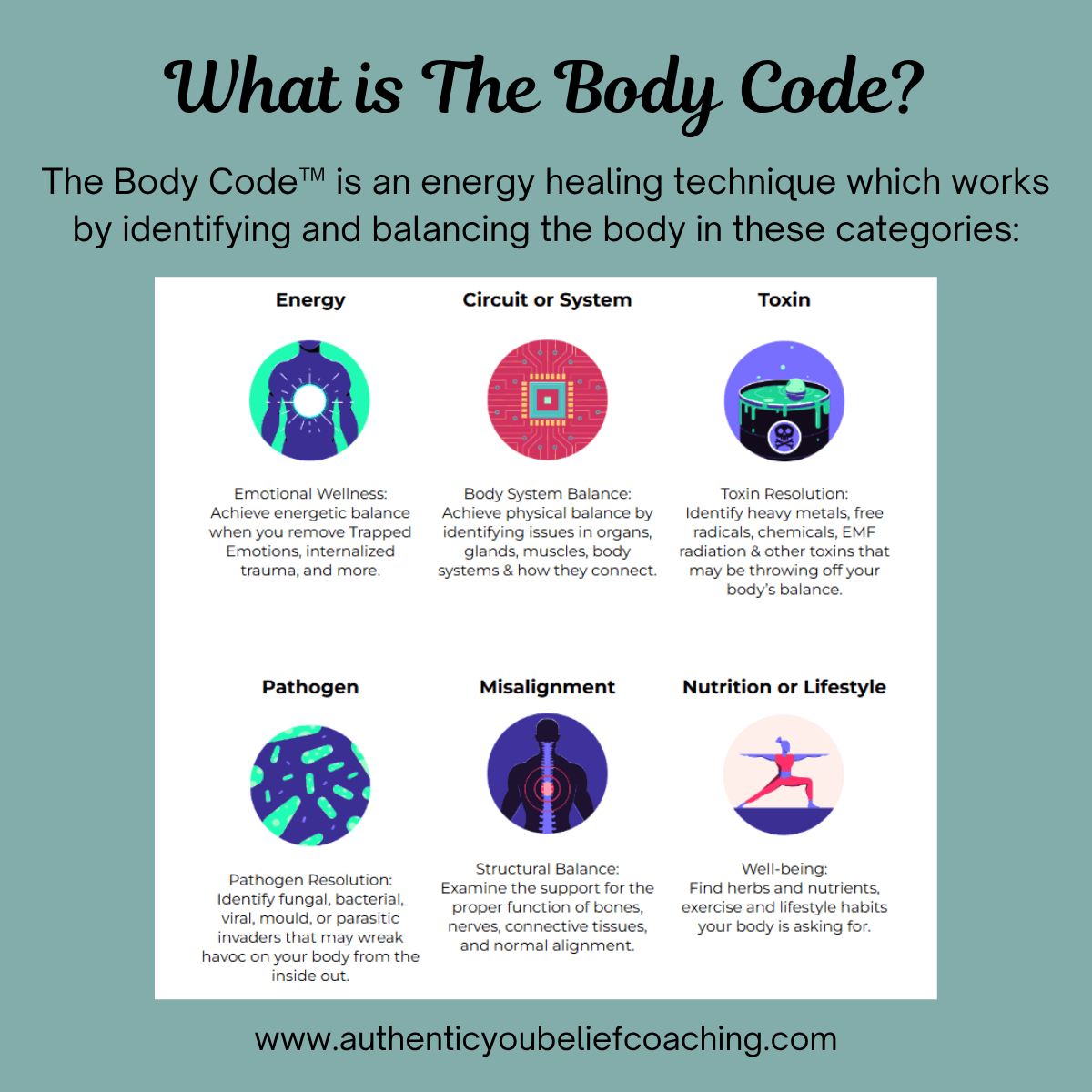
The Body Code® builds on the Emotion Code® by exploring additional energetic imbalances that may be affecting physical, emotional, and mental wellbeing. Rather than focusing solely on trapped emotions, it helps identify other energetic imbalances that may be contributing to your symptoms, providing a more comprehensive understanding of what your subconscious is ready to address.
Energy

Emotional Wellness:
Achieve energetic balance when you remove Trapped Emotions, internalized trauma, and more.
Circuit or System

Body System Balance: Achieve physical balance by identifying issues in organs, glands, muscles, body systems & how they connect.
Toxin

Toxin Resolution:
Identify heavy metals, free radicals, chemicals, EMF radiation & other toxins that may be throwing off your body’s balance.
Pathogen

Pathogen Resolution: Identify fungal, bacterial, viral, mould, or parasitic invaders that may wreak havoc on your body from the inside out.
Misalignment

Structural Balance:
Examine the support for the proper function of bones, nerves, connective tissues, and normal alignment.
Nutrition or Lifestyle

Wellbeing:
Find herbs and nutrients, exercise and lifestyle habits your body is asking for.
This technique is not intended to replace medical care. However, by addressing underlying energetic imbalances, the Body Code® aims to support the body's natural ability to restore balance. As a result, the organs function as they should, nutrients are absorbed properly, energy levels are raised, and emotional issues become manageable.
In the following videos, Dr Bradley Nelson explains how the body records experiences and how organs and emotions are interconnected. He also explores why identifying underlying energetic imbalances is an important part of the Body Code® approach to restoring balance.
How I Use the Body Code™
Unlike a traditional Body Code session, I begin with a dedicated Identification Process.
During this stage I identify the energetic imbalances your subconscious is ready to address and document the findings in your personalised report.
Your Clearing Sessions are then carried out separately, allowing the work to unfold gradually at a pace guided by your subconscious. This personalised approach gives each stage of the process the attention it deserves while ensuring your clearing journey is tailored to your individual needs.
Body Code explanation and Demonstration by Dr Bradley Nelson
Below is a Body Code explanation and demonstration by Dr Bradley Nelson so you can see how the process works.
The Body Code Process
Communication with the Subconscious: I use the Sway Test, a form of applied kinesiology muscle testing, which allows me to interpret subtle physical responses (biofeedback) from the body. By asking YES or NO questions, I can gain insights into the energetic imbalances your subconscious is ready to address.
Identifying Imbalances: The Body Code Charts are a valuable set of tools that allow me to identify the category and source of the imbalance. Every imbalance carries its own energetic frequency or vibration and is unique to the individual. Each imbalance needs to be identified and then released individually. It’s not possible to release as a group. Your body knows exactly how many imbalances it can release in a session, and in what order it wants to release them.
Releasing Imbalances: You must use another form of energy to release an imbalance. I use a magnet to magnify the power of my Intention (thought energy) by directing it through the Governing Meridian, allowing it to enter the body's energy field. This process is similar to the technique called phase cancellation used in noise-cancelling headphones, which occurs when two or more audio waveforms clash with each other, resulting in destructive interference.
Order of release
Although every person is unique, I often find that the subconscious prioritises imbalances in the following order:
Stage 1: Energy - The initial stage focuses on identifying and releasing energetic imbalances. It is essential to ensure that the body’s energy flows smoothly.
Stage 2: Circuit or System, Toxin, Pathogen, Misalignment - The second stage focuses on balancing body systems, resolving toxins, identifying pathogens, and correcting structural or energetic misalignments.
Stage 3: Nutrition or Lifestyle - The third stage looks at how nutrition and lifestyle choices impact wellbeing. Adjustments in diet, exercise, and habits can play a significant role in maintaining health.
Helping Your Body Maintain Balance
Here are some strategies to consider for preventing imbalances and maintaining a sense of equilibrium:
Self-Awareness: Regular self-checks are essential. Pay attention to how you feel physically, emotionally, and mentally. Recognise signs of stress, fatigue, or any imbalances.
Lifestyle Choices: Prioritise healthy habits - Nutrition, regular exercise, and adequate sleep contribute to overall wellbeing.
Stress Management: Practice techniques such as mindfulness, relaxation exercises, and effective time management to help manage your stress levels.
Social Connections: Cultivate meaningful relationships to provide emotional support and prevent social isolation.
Work-Life Balance: Set boundaries between work and personal life to prevent burnout. Downtime is crucial for recharging your batteries.
Delegating Tasks: Don’t hesitate to share responsibilities. Delegating tasks helps lighten the load which prevents overwhelm.
Letting Go of Perfectionism: Striving for perfection can lead to imbalance. Embrace imperfections and focus on progress rather than flawless outcomes.
Meditation: Regular meditation practices help manage stress and promote emotional balance.
Remember: Small, consistent changes can make a significant difference over time. By supporting your body's natural ability to maintain balance, you create stronger foundations for long-term health and wellbeing.
“Health is not valued
till sickness comes”
Dr. Thomas Fuller
Are you proactively
monitoring your
health?
✦ ALIGN ✦ TRANSFORM ✦ THRIVE