Dimensions of Wellness
What is Wellness?
Wellness encompasses complete health, reaching beyond physical well‑being. It is not merely freedom from stress or illness, but the presence of purpose, emotional balance, and joyful connection. True wellness invites active engagement in both work and leisure, the nurturing of relationships, and the cultivation of happiness. To live a fulfilled life, it is essential to care for your whole self through a holistic approach that embraces every dimension of wellness.
The Evolution of the Dimensions of Wellness
Originally introduced by Dr Margaret Swarbrick in the 1990s, the model was developed to support individuals navigating mental health challenges, trauma, and recovery from substance use. It began with five core dimensions: Physical, Emotional, Social, Spiritual, and Environmental. As feedback from lived experience grew, the model expanded to include Intellectual, Occupational, and Financial Wellness, acknowledging the significant influence these areas have on personal balance, self-efficacy, and quality of life.
Today, the 8 Dimensions of Wellness are widely applied across healthcare, education, community initiatives, and professional development as a trusted and accessible framework for cultivating wellbeing.
As insights deepen and our understanding of health continues to evolve, modern life brings new challenges: digital overload, burnout, and disconnection from joy, alongside opportunities for creativity and play. To reflect this, I have expanded the model to include additional dimensions of wellness: Creative, Digital, Restorative, and Recreational.
Why It Matters
This evolution reflects a growing understanding that wellness is not linear or isolated, it is an ongoing, dynamic process that requires us to address all facets of life. The strength of this model lies in its interconnectedness. When one area is out of alignment, it creates a ripple effect across the others.
For example, financial strain may lead to emotional distress, impact physical health, and erode one’s sense of purpose. Likewise, disconnection from social or spiritual support can affect sleep, energy, and resilience. The model empowers us to recognise our strengths, identify where we need more support, and make intentional, sustainable lifestyle changes.
Importantly, the model is highly personalised and strengths‑based. It recognises that each person’s path to wellbeing is unique. What works for one may not work for another. That’s why it encourages self‑reflection, intuitive pacing, and holistic practices that meet individuals where they are. Rather than focusing on what’s wrong, the Dimensions offer a proactive, empowering approach one that aligns beautifully with tools that address the subconscious mind, emotional clearing, and energy healing. Practices such as breathwork, mindfulness, expressive therapies, and embodied movement become more effective when seen as part of a broader wellness ecosystem.
Emotional Regulation
Emotional regulation is central to well-being, and the Dimensions provide a practical framework to explore how emotions show up in different areas of life. Emotions are never isolated; they are influenced by your environment, relationships, routines, beliefs, and even your financial landscape.
When one dimension is consistently neglected or under pressure, emotional dysregulation often follows. This may appear as anxiety, insomnia, irritability, withdrawal, or burnout. By assessing wellness holistically, individuals move beyond symptom management into the deeper work of emotional alignment and nervous system balance.
When emotional regulation is supported across all areas, tools such as breathwork, energy healing, subconscious clearing, and trauma‑informed practices begin to produce more sustainable results.
The Wellness Chart: Instructions for Use
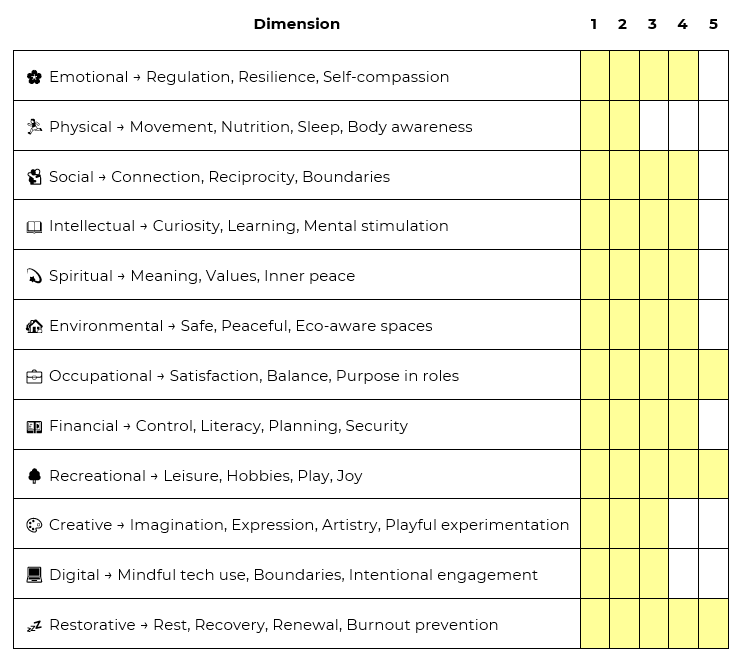
This chart invites you to reflect on your current sense of fulfilment across these dimensions of wellness:
🌸 Emotional Wellness → Regulation, Resilience, Self‑compassion
🏃 Physical Wellness → Movement, Nutrition, Sleep, Body awareness
🫂 Social Wellness → Connection, Reciprocity, Boundaries
📖 Intellectual Wellness → Curiosity, Learning, Mental stimulation
💫 Spiritual Wellness → Meaning, Values, Inner peace
🏡 Environmental Wellness → Safe, Peaceful, Eco‑aware spaces
💼 Occupational Wellness → Satisfaction, Balance, Purpose in roles
💷 Financial Wellness → Control, Literacy, Planning, Security
🌳 Recreational Wellness → Leisure, Hobbies, Play, Joy, Fun and Responsibility
🎨 Creative Wellness → Imagination, Expression, Artistry, Playful experimentation
💻 Digital Wellness → Mindful tech use, Boundaries, Intentional engagement
💤 Restorative Wellness → Rest, Recovery, Renewal, Burnout prevention
Each section represents a vital area of life. By scoring each one, you’ll gain insight into what’s working well and where gentle attention or transformation might be needed.
Step‑by‑Step Guide
Review: Read the Wellness Checklist and Reflective Questions for each dimension. Give a score from 1 to 5 based on your current level of fulfilment. Use the Scoring Key to guide you.
Fill: Shade each section of the chart to show your score. Add brief notes if helpful.
Connect: This visual map helps you quickly see areas of strength and those that may need support.
Reflect: Use your results to identify priorities. Choose 1–2 practical behaviours from the checklists to focus on.
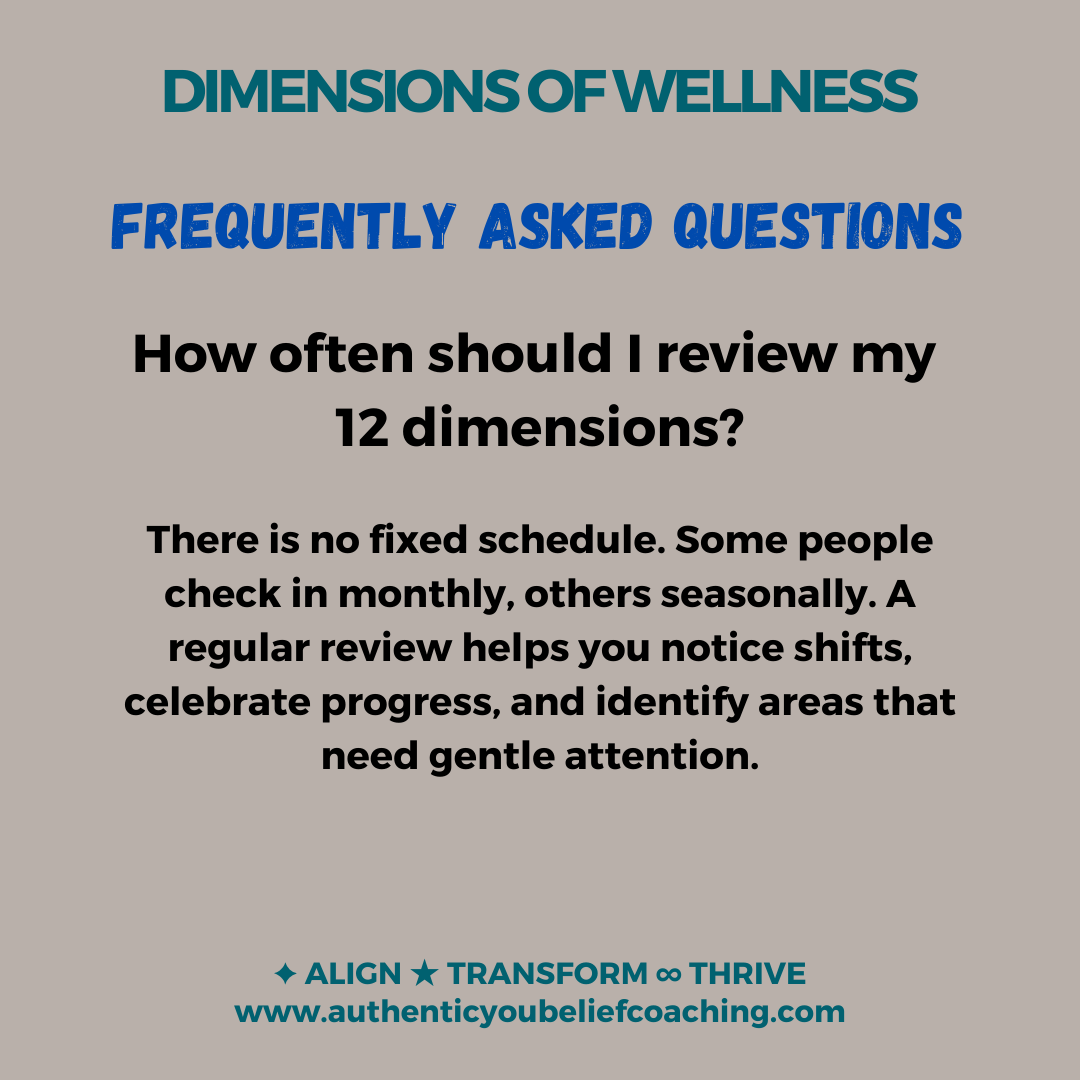
Revisit: Repeat monthly to notice trends and celebrate progress.
Scoring Key
1 – I’m very unhappy with this part of my life.
2 – I’m dissatisfied with this part of my life.
3 – This part of my life is pretty good, but could use improvement.
4 – I am content, but a few tweaks could make it even better.
5 – I am completely fulfilled in this area right now.
Click the Example Completed Chart below to download my template:
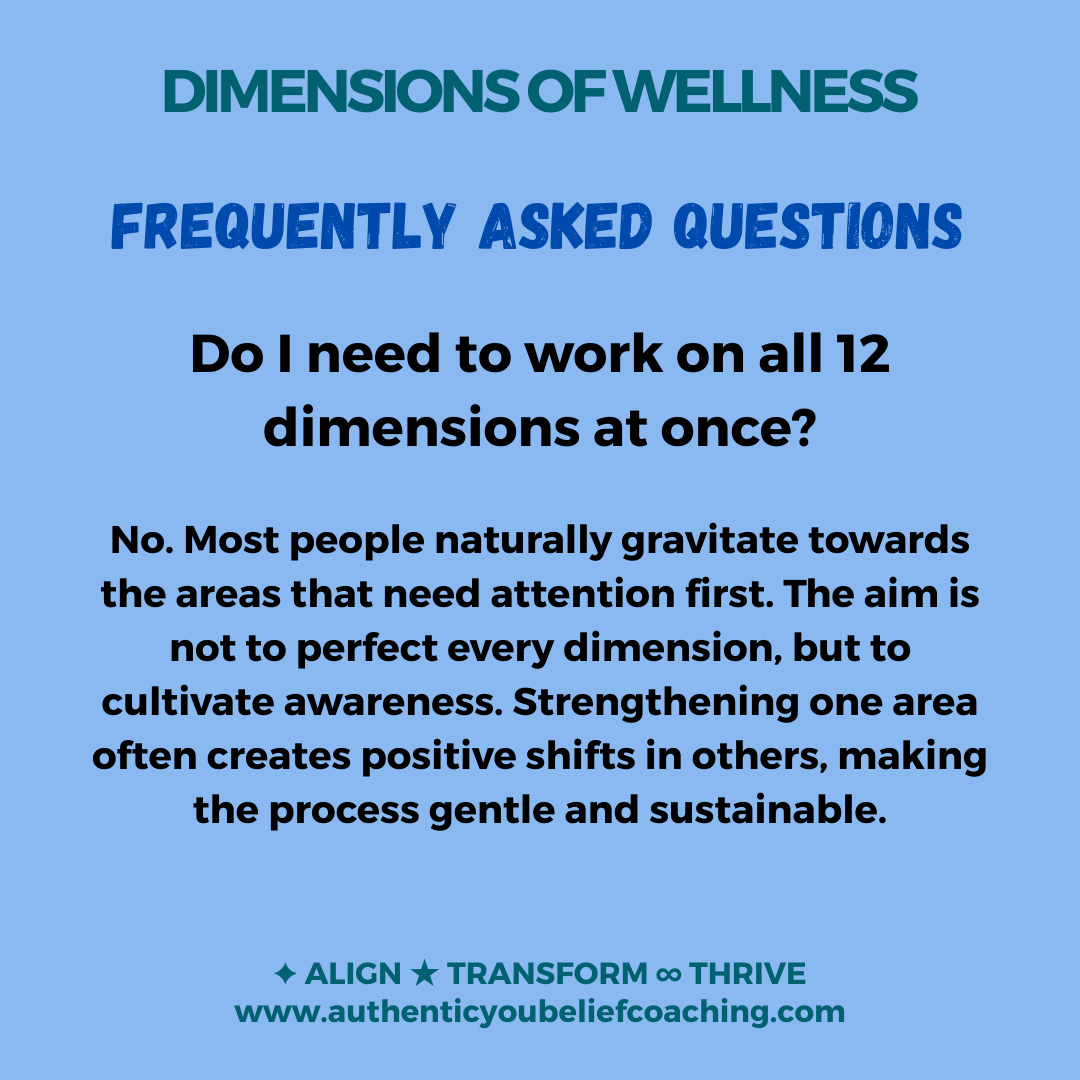
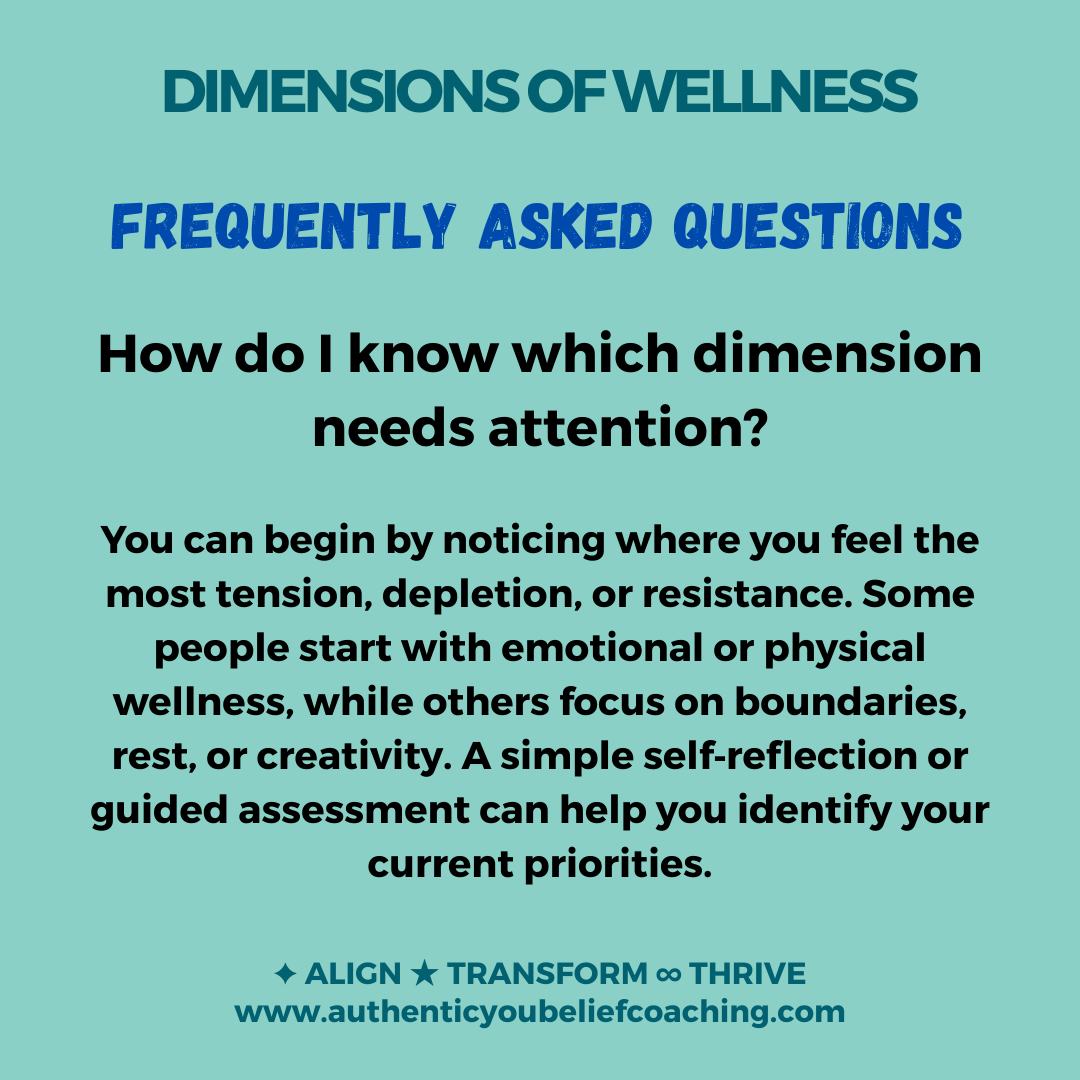
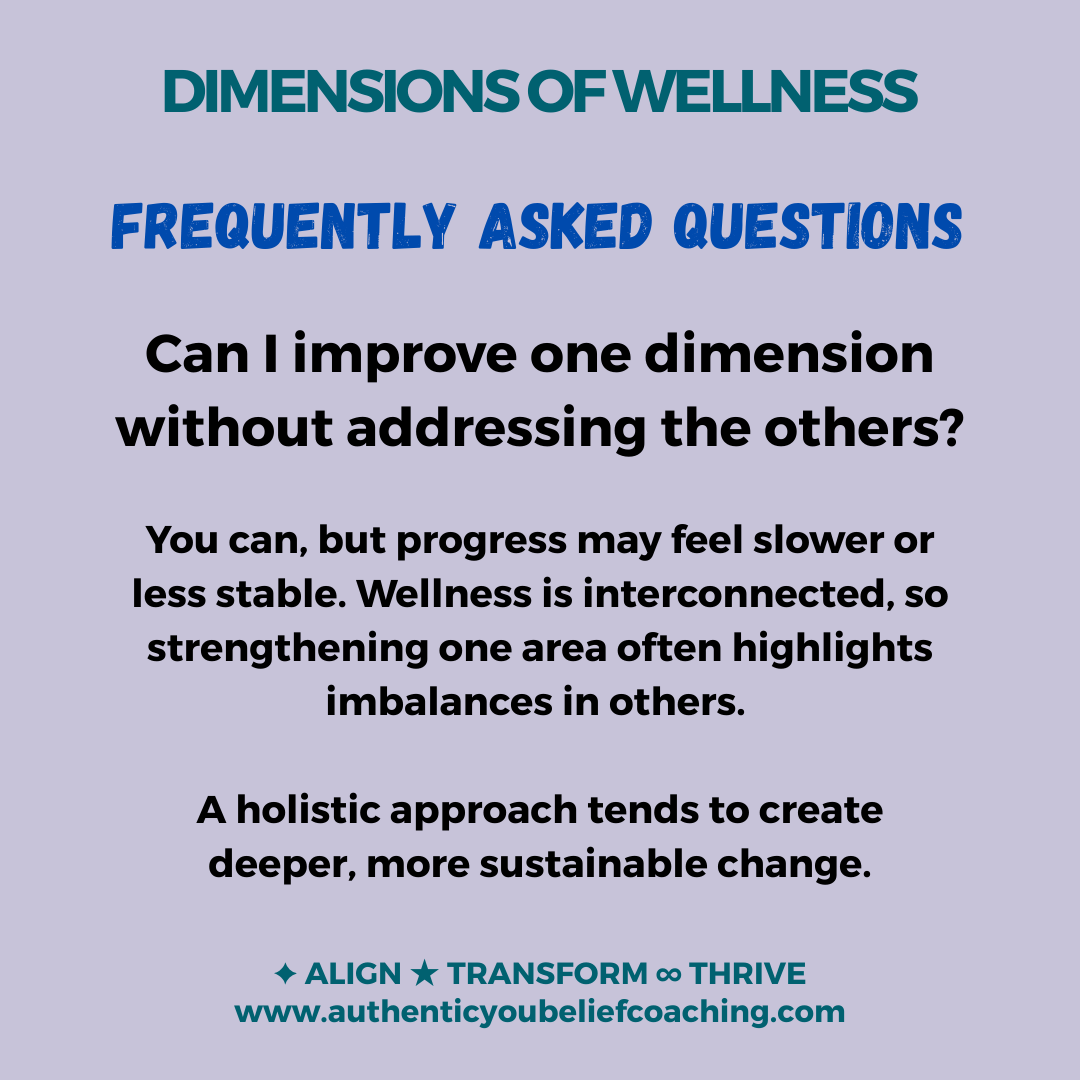
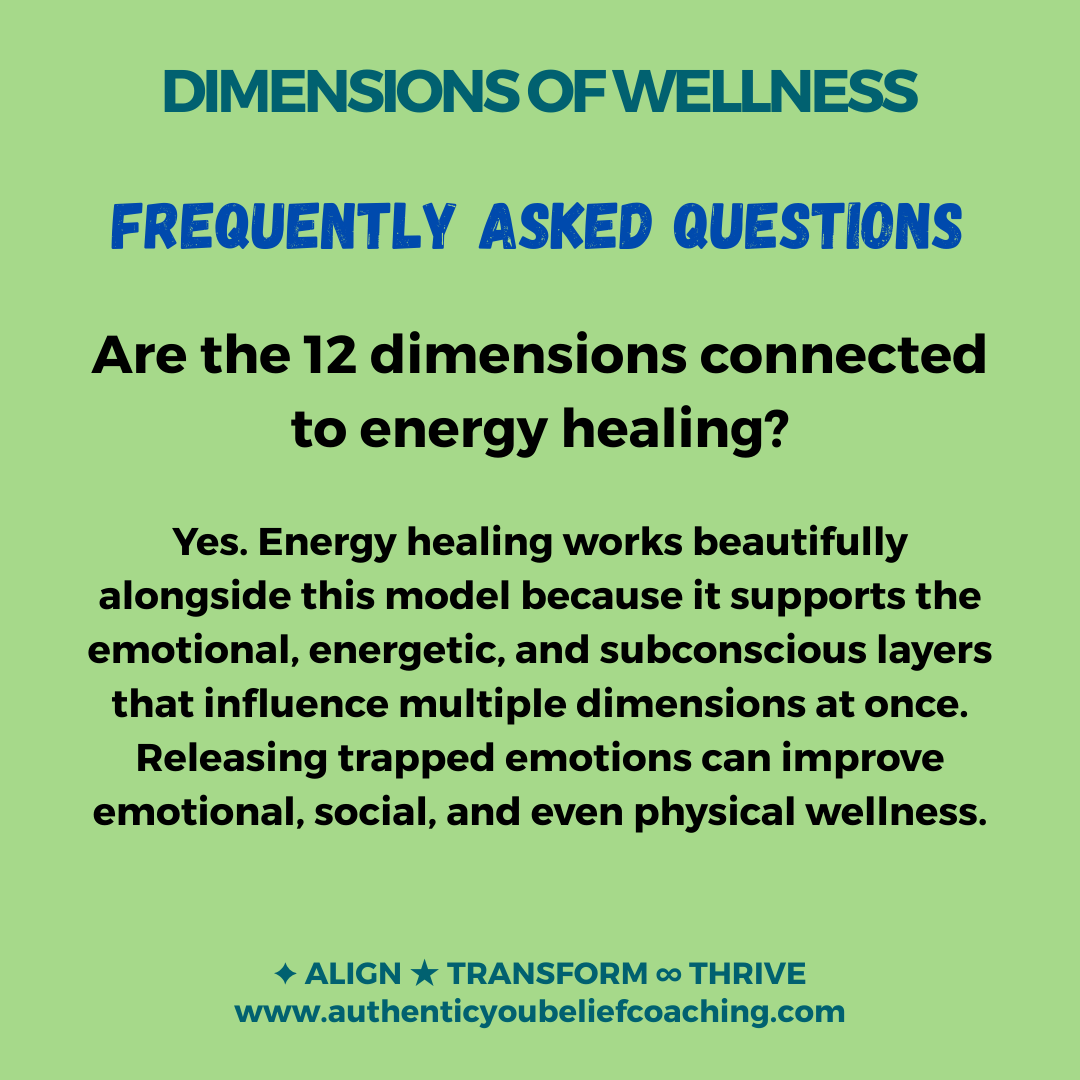
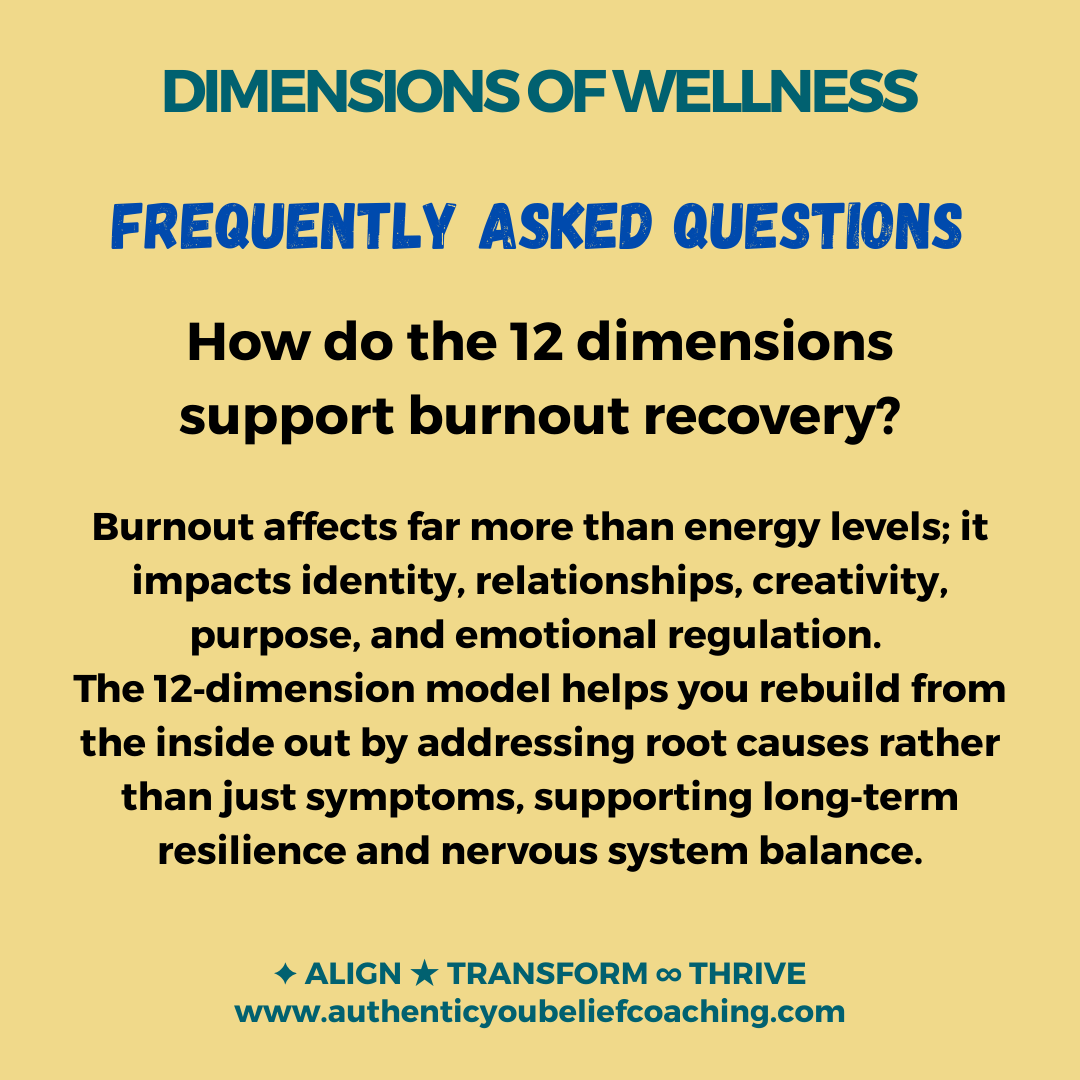
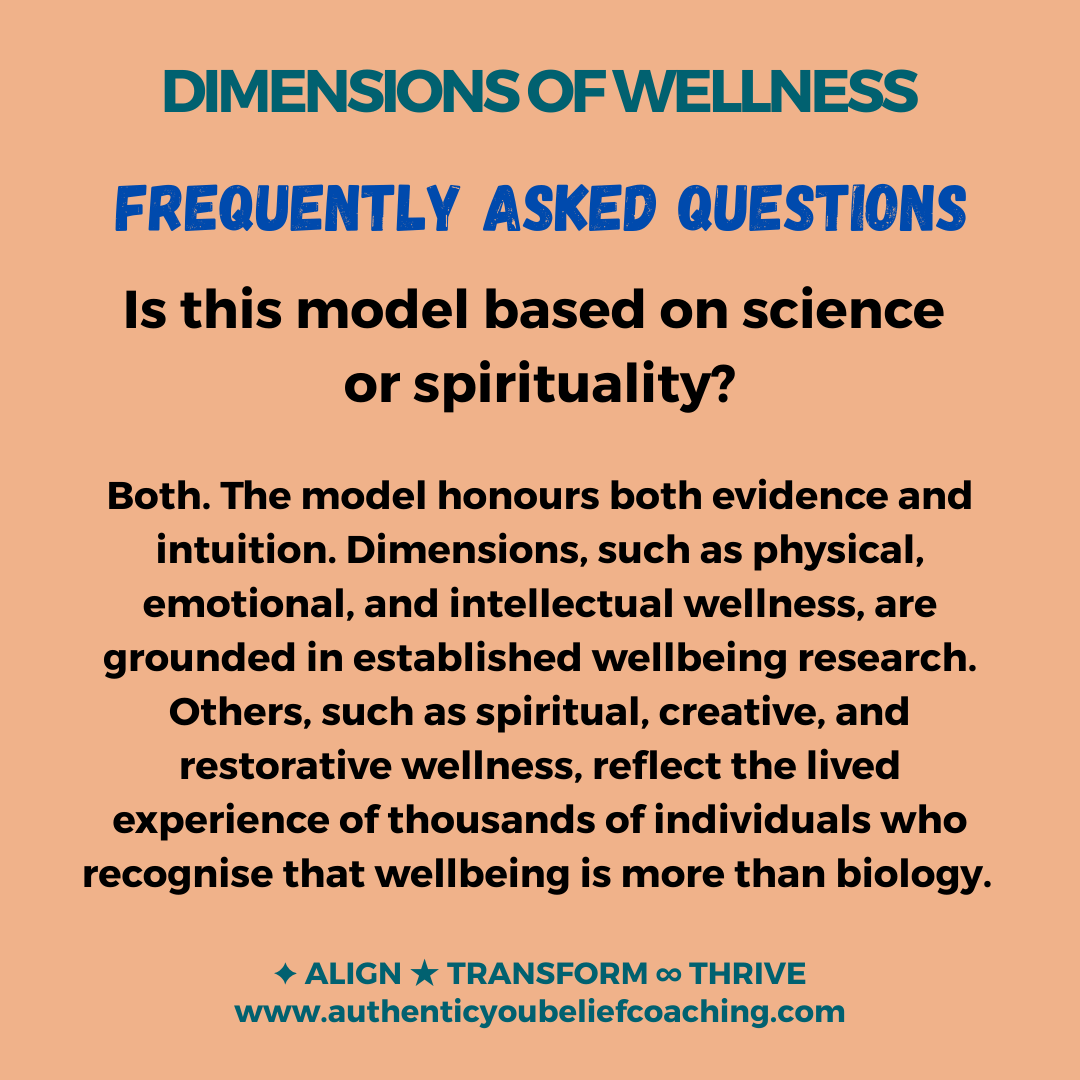
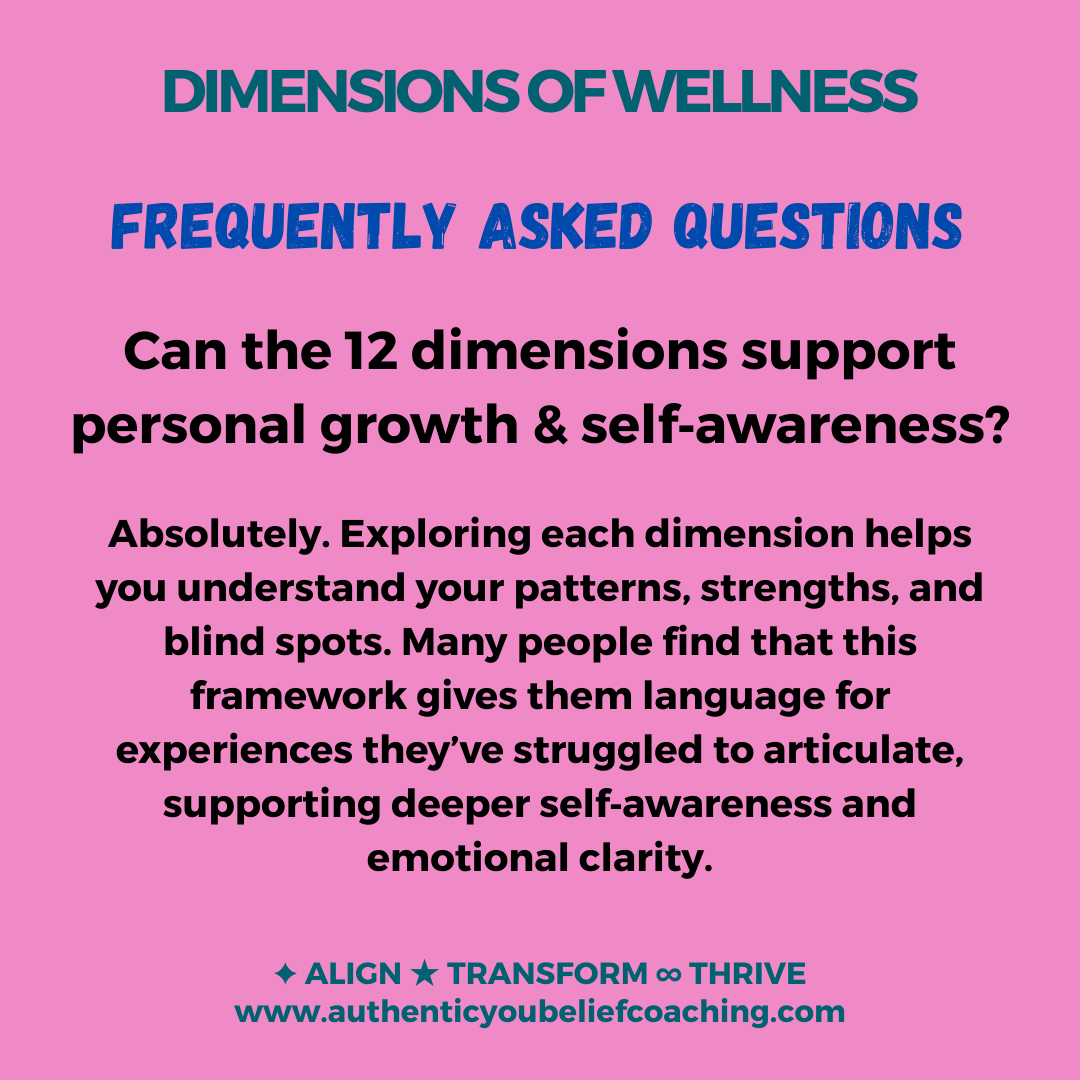
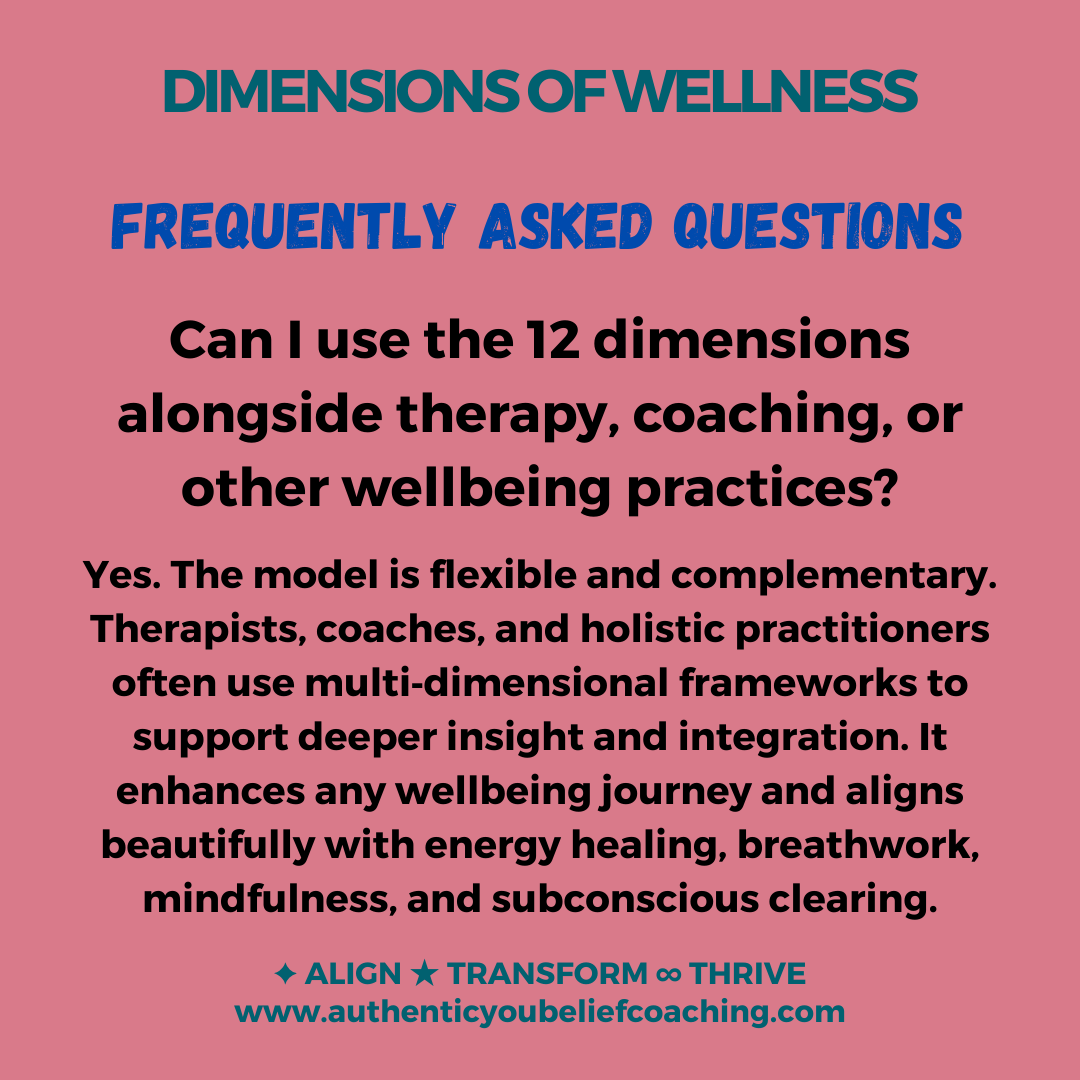
Dimensions of Wellness Frequently Asked Questions
(Click on the Image to view the full post)
🌸 1. Emotional Wellness
Definition: The capacity to recognise our feelings involves the ability to express feelings, adjust to emotional challenges, and cope with stress and traumatic life experiences. Ability to assess our strengths, limitations, and areas we want to develop further. Awareness of, and acceptance of a wide range of feelings in us and in other people, including recognising conflict as being potentially healthy. Coping effectively and creating satisfying relationships.
Swarbrick, M. (2010, January 19). Defining wellness. Words of Wellness
Emotional Wellness Checklist
Maintaining healthy relationships
Asking for help when needed
Building resilience
Being aware of your feelings
Expressing feelings to people you trust
Seeking support with upsetting emotions
Recognising your strengths
Working on areas you want to improve
Expressing a wide range of emotions (happiness, sadness, anger, joy, fear, frustration, gratitude, etc.)
Developing assertiveness
Practising self‑compassion
Recognising conflict as potentially healthy
Reflective questions
Do I feel comfortable expressing and communicating my feelings to people I trust?
Do I manage my emotions in a healthy way during stress?
Do I practise self‑compassion and kindness toward myself?
Do I adapt to change with resilience, even when it feels challenging?
Do I see conflict as an opportunity for growth and healthier relationships?
🏃 2. Physical Wellness
Definition: Recognising the need and engaging in physical activity, eating nourishing foods, getting adequate sleep and rest, engaging in activities to release tension and stress, and obtaining needed health care. Awareness of signs of stress while limiting the use of tobacco, drugs, and alcohol consumption. Creating and following a self-defined daily routine of health habits.
Swarbrick, M. (2010, January 19). Defining wellness. Words of Wellness
Physical Wellness Checklist
Exercising regularly
Eating nourishing food
Sleeping adequately
Engaging in activities that release tension (stretching, yoga, relaxation techniques)
Seeking medical care when appropriate
Taking prescribed medications responsibly
Acting responsibly with alcohol, cigarettes, and other substances
Developing healthy daily routines
Feeling comfortable with your body
Making your own choices about physical health
Understanding how your body works
Reflective questions
Do I eat a balanced diet and drink enough water each day?
Do I engage in regular physical activity that supports my health and energy?
Do I act responsibly with alcohol, medication, or other substances?
Do I generally feel free from illness or chronic pain?
Do I engage in activities that help me release tension and relax?
🫂 3. Social Wellness
Definition: A sense of connection, belonging, and a connection to a support system. Includes relationships with friends, family, pets, the community, and an interest in and concern for the needs of others. For many, relationships involve a sense of reciprocity and equality.
Swarbrick, M. (2010, January 19). Defining wellness. Words of Wellness
Social Wellness Checklist
Taking part in clubs, social groups, or volunteer activities
Maintaining social connections by keeping in touch with others
Interacting with diverse groups of people
Being aware of your impact in your community
Building a strong support network of family, friends, co‑workers, and peers
Developing positive relationships
Communicating effectively
Reaching out for support and asking for help when needed
Practising reciprocity in relationships
Setting healthy boundaries with yourself and others
Reflective questions
Do I have a sense of belonging in my relationships and communities?
Do I set healthy boundaries with others?
Do I have people in my life that I can trust?
Do I communicate openly and respectfully with people in my life?
Do I practise reciprocity in my relationships (giving and receiving support equally)?
📖 4. Intellectual Wellness
Definition: Recognising creative abilities and finding ways to expand our knowledge and skills while discovering the potential for sharing those gifts with others. Lifelong learning, application of knowledge learned, and sharing knowledge.
Swarbrick, M. (2010, January 19). Defining wellness. Words of Wellness
Intellectual Wellness Checklist
Using creative abilities
Exercising critical thinking skills
Pursuing lifelong learning
Engaging with books, articles, or other content that interests you
Exploring public or community events
Developing and learning new skills
Applying knowledge through problem‑solving and analysis
Challenging yourself mentally (puzzles, new language, new instrument)
Reflective questions
Do I strive to learn new things and exercise my brain?
Do I use my creative abilities to explore ideas or solve problems?
Do I engage with books, articles, or other content that interests me?
Do I seek out diverse perspectives and challenge myself to think in new ways?
Do I cultivate positive and constructive thought patterns in daily life?
💫 5. Spiritual Wellness
Definition: Personal beliefs and values, having meaning and purpose, developing a sense of balance and peace. An appreciation for the depth and expanse of life and natural forces that exist in the universe. Spiritual activities are often based on cultural, religious, and/or spiritual traditions.
Swarbrick, M. (2010, January 19). Defining wellness. Words of Wellness
Spiritual Wellness Checklist
Making time for activities that enhance connection to self, nature, and others
Discovering values, principles, and beliefs
Searching for meaning and purpose in life
Joining a like‑minded community
Taking time for silence and solitude
Helping others in need
Accepting others for who they are
Being aware of differences in values
Reflective questions
Do I have a sense of meaning and purpose in life?
Do I trust other people and accept them for who they are?
Do I forgive myself and others in ways that support inner peace?
Do I have values and beliefs that guide my life?
Do I take time for silence, solitude, or spiritual practices that bring inner peace?
🏡 6. Environmental Wellness
Definition: Occupying places and spaces that are safe, pleasant, and stimulating. The environment includes our living, learning, and working spaces and the larger communities where we participate as citizens. Health can be enhanced by places and spaces that promote learning and contemplation and that elicit the relaxation response.
Swarbrick, M. (2010, January 19). Defining wellness. Words of Wellness
Environmental Wellness Checklist
Keeping your home de‑cluttered
Spending time outside in safe, pleasant, and stimulating spaces
Creating a peaceful home environment that promotes relaxation
Participating in community involvement
Reducing personal contribution to pollution
Practising environmental awareness daily
Designing spaces that promote learning and contemplation
Using eco‑friendly products
Recycling regularly
Reflective questions
Do I spend time outside in safe, pleasant, and stimulating spaces?
Do I participate actively in my community?
Do I maintain a home environment that feels peaceful and de‑cluttered?
Do I create spaces that promote learning and contemplation?
Do I stay aware of how human activity impacts the environment?
💼 7. Occupational Wellness
Definition: Personal satisfaction and enrichment derived from activities relative to paid and unpaid social roles (career, student, caregiver, volunteer) that provide meaning and purpose, pleasure, and satisfaction.
Swarbrick, M. (2010, January 19). Defining wellness. Words of Wellness
Occupational Wellness Checklist
Taking personal satisfaction in your occupation or role
Balancing work and leisure
Communicating effectively with others
Developing good work habits and job‑related skills
Exploring career or volunteer opportunities you are passionate about
Setting career goals that provide meaning and direction
Learning from mistakes and moving forward with resilience
Reflective questions
Do I feel personal satisfaction and meaning in my work, studies, or volunteer roles?
Do I maintain a healthy balance between work, study, and leisure time?
Do I communicate effectively and respectfully with colleagues, peers, or supervisors?
Do I set career or role goals that provide direction and motivation?
Do I learn from mistakes and move forward with resilience in my work or studies?
💷 8. Financial Wellness
Definition: Sense of awareness of current and future financial situations. Includes having financial resources to meet practical needs, and a sense of control and knowledge about personal finances. Objective indicators may include income, debt, savings, and aspects of financial capability, such as knowledge of financial products and services, planning ahead and staying on budget. Subjective indicators may include an individual’s perception of satisfaction with current and potential future financial situations.
Swarbrick, M. (2010, January 19). Defining wellness. Words of Wellness
Financial Wellness Checklist
Maintaining a budget and monitoring spending
Saving money for current and future needs
Paying bills on time
Reviewing credit reports and bank statements regularly
Building financial literacy (understanding products and services)
Acting responsibly in daily financial decisions
Seeking professional financial help when needed
Planning ahead for future financial goals
Reflective questions
Do I have a budget and am I able to save money for current and future needs?
Do I use my money wisely and responsibly in daily decisions?
Do I have clear financial goals and plans that guide my choices?
Do I understand basic financial concepts and feel confident making financial decisions?
Do I feel comfortable asking for financial advice or support when I need it?
🌳 9. Recreational Wellness
Definition: Engaging in leisure and play that restores energy, sparks joy, and balances daily responsibilities. Recreational Wellness involves making time for hobbies, fun, and relaxation that nourish wellbeing.
Recreational Wellness Checklist
Scheduling leisure time for hobbies and play
Exploring new recreational activities or interests
Prioritising joy alongside responsibilities
Balancing productivity with play and relaxation
Connecting with friends or the community through recreation
Honouring downtime without guilt
Using recreation as a tool for stress relief and renewal
Reflective questions
Do I make time for activities that bring me joy and fun?
Do I balance productivity with play and relaxation?
Do I explore new hobbies or recreational interests?
Do I participate in recreational activities with others for connection?
Do I allow myself to enjoy downtime without guilt?
🎨 10. Creative Wellness
Definition: Engaging in artistic or playful expression that nurtures imagination, joy, and self‑discovery. Creative wellness involves exploring new ideas, experimenting with different forms of expression, and using creativity as a tool for relaxation, problem‑solving, and connection with others.
Creative Wellness Checklist
Making time for artistic or playful activities (art, music, dance, writing, crafts)
Exploring new forms of creative expression
Using creativity to relax and reduce stress
Sharing creative work with others for connection and joy
Experimenting without fear of mistakes
Attending creative workshops or community events
Applying creativity as a tool for problem‑solving in daily life
Reflective questions
Do I make time for artistic or playful activities that bring me joy?
Do I explore new forms of creative expression without fear of mistakes?
Do I use creativity as a tool for relaxation and stress relief?
Do I share creative work with others to foster connection and joy?
Do I seek opportunities to expand my creative skills through workshops or community events?
💻 11. Digital Wellness
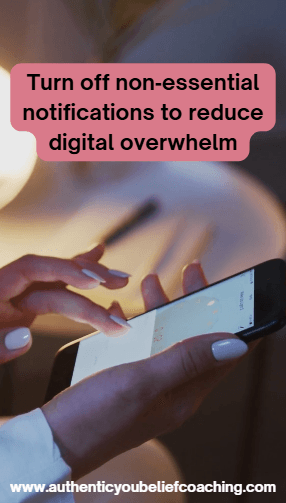
Definition: Maintaining a balanced and mindful relationship with technology by managing screen time, online engagement, and digital boundaries. Digital wellness includes using technology intentionally and ensuring that digital habits enhance rather than detract from overall well-being.
Digital Wellness Checklist
Setting healthy boundaries around screen time
Using social media and digital platforms mindfully
Using technology to support learning, connection, and productivity
Taking regular breaks from devices
Exploring digital tools that enhance wellbeing (meditation apps, fitness trackers)
Reflecting on how technology impacts mood and relationships
Reflective questions
Do I balance my screen time with offline activities that support my well-being?
Do I set healthy boundaries around my digital use (notifications, social media, work emails)?
Do I explore digital tools that enhance wellbeing and productivity?
Do I feel confident and safe in my online interactions and digital environments?
Do I use technology intentionally, rather than out of habit or compulsion?
💤 12. Restorative Wellness
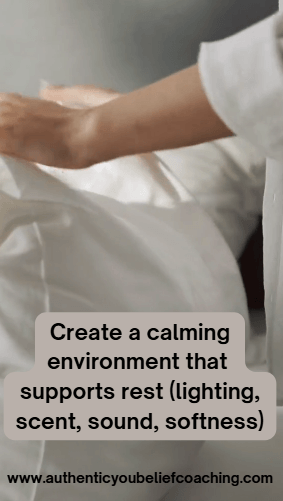
Definition: Restorative Wellness is the practice of prioritising rest, recovery, and renewal to restore balance in mind, body, and energy. It involves cultivating habits that prevent burnout, sustain vitality, and create space for healing and resilience.
Restorative Wellness Checklist
Maintaining healthy sleep routines
Scheduling intentional downtime and breaks
Practising relaxation techniques (breathwork, meditation, restorative yoga)
Allowing space for recovery after periods of stress or exertion
Listening to your body’s signals for rest and renewal
Creating environments that support relaxation and restoration
Using energy‑healing or mindfulness practices to recharge
Reflective questions
Do I allow myself time to rest and recover without guilt?
Do I maintain healthy sleep habits that support my energy and focus?
Do I practise relaxation techniques that help me release stress and restore balance?
Do I listen to my body’s signals when I need to slow down?
Do I create space for restoration after periods of stress or burnout?
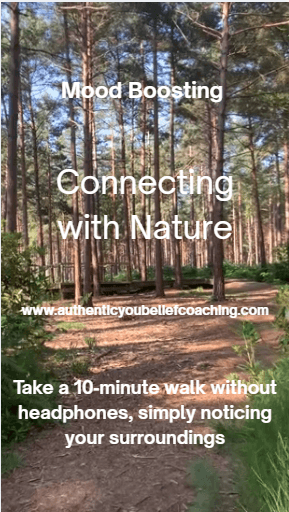
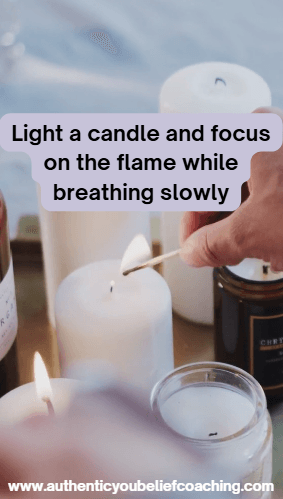
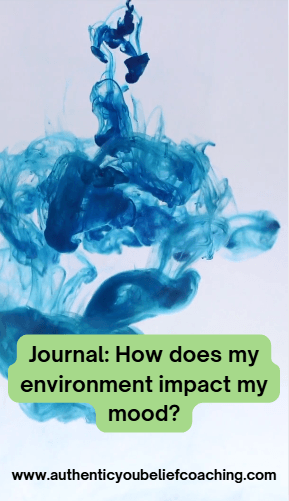
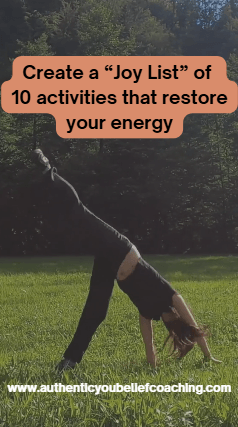
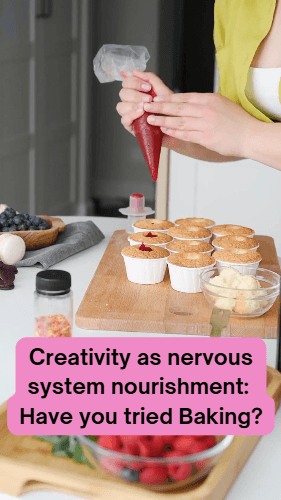
Dimensions of Wellness Tips
(Click on the Image to view the full post)




✦ ALIGN ✦ TRANSFORM ✦ THRIVE