What is Energy Anatomy?
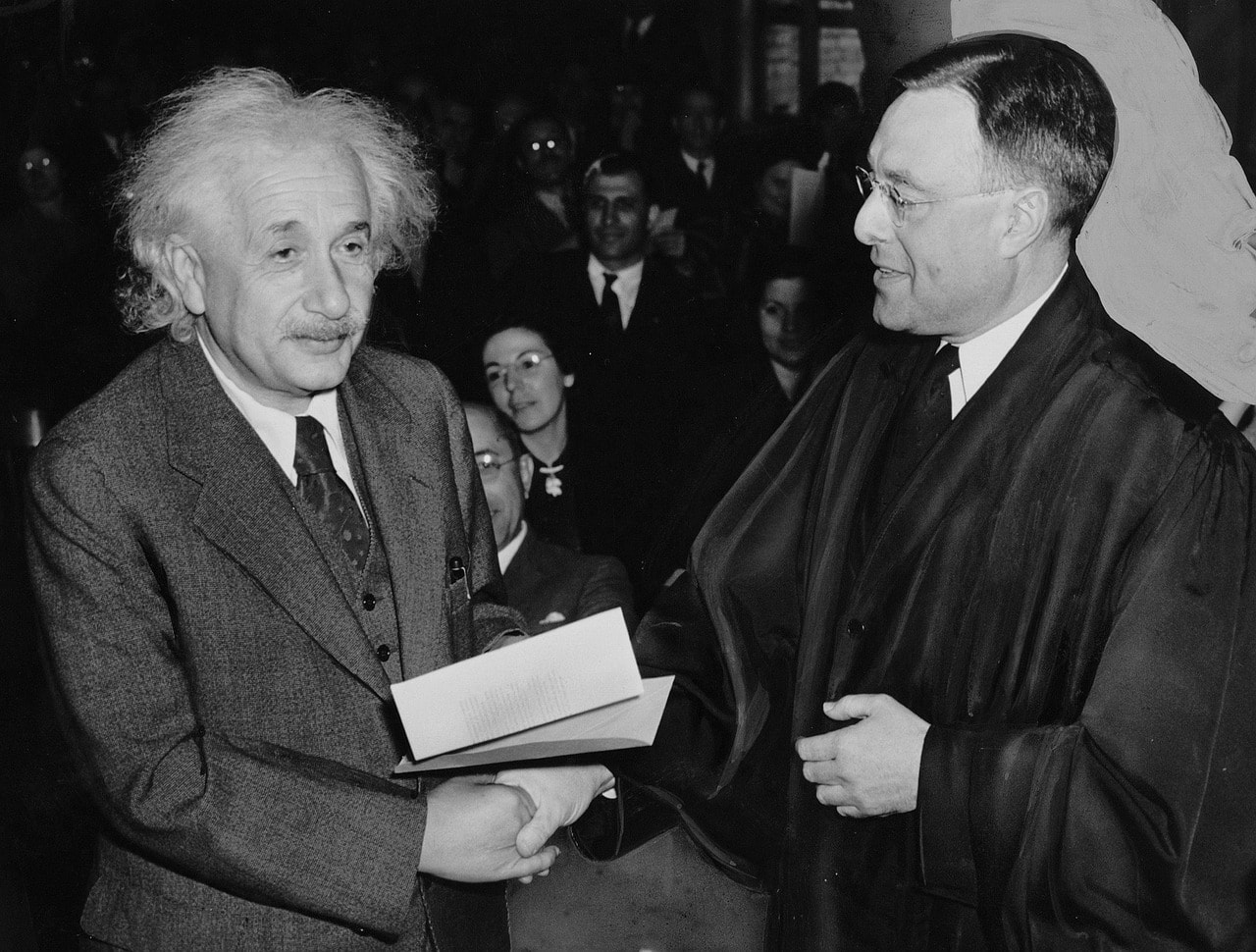
“Everything is energy, and that's all there is to it. Match the frequency of the energy you want, and you cannot help but get that reality. It can be no other way”
This quote by Albert Einstein emphasises that matter and energy are interchangeable. It suggests that by consistently vibrating at a certain frequency, the corresponding experiences will naturally follow through resonance (when two systems vibrate at the same frequency).
If you want to attract a specific reality or experience (which can be viewed as a particular energy state), aligning your own energy (through your thoughts, emotions, and intentions) with that desired frequency can create resonance.
When you resonate with a specific energy frequency, it influences your perceptions, choices, and actions. By consistently aligning with the energy of what you desire, you increase the likelihood of experiencing it.
What is Energy?
Energy is the capacity or power to perform work, such as moving an object with a specific mass by applying force. It can exist in various forms, including electrical, mechanical, chemical, thermal, and nuclear energy. According to the law of conservation of energy, energy cannot be created or destroyed; it can only be transformed from one form to another.
What is Energy Anatomy?
Energy Anatomy refers to the subtle or energetic aspects of our being that extend beyond the physical body. It encompasses various concepts related to energy flow, each carrying its own unique cultural and spiritual significance. Understanding these concepts can offer insights into how we interact with the world around us and how we can harness these energies for our well-being.
What is Lifeforce Energy?
This general term describes the vital energy that sustains life, often linked to spiritual or metaphysical beliefs. Lifeforce is the essence that animates all living beings and is central to many spiritual traditions. It is the underlying energy that fuels our actions and processes, similar to concepts like Prana, Chi, Ki, and Mana. While these terms may have specific meanings within their respective contexts, they all refer to the fundamental idea of energy as a dynamic force that animates existence.
Prana: The Life Force Energy: In Sanskrit, prana translates to "breath of life," "life force," or "vital force." It sustains all living beings and governs all physical and mental functions. Practices like yoga and pranayama (breath control) aim to balance and enhance prana within the body.
Chi (Qi): The Flow of Life: In Chinese philosophy and medicine, “chi” or “qi” represents the life force energy that flows through the meridians in the body. Practices like acupuncture and qigong aim to balance and enhance this energy.
Ki: The Japanese Life Force: Similar to Chi, “Ki” is the Japanese term for life force energy. It’s central to practices like Reiki, which means “universal life force energy.” Practitioners channel and direct this energy for healing to promote relaxation.
Mana: The Spiritual Power: In Polynesian and Hawaiian cultures, “Mana” signifies spiritual power or energy. It’s associated with natural elements, sacred places, and individuals with special abilities. Mana is believed to be a powerful force that can be harnessed for protection, healing, and spiritual growth.
The AURA - Biofield
“Unlike body language . . . auras can't be faked” Rose Rosetree
In holistic traditions, the aura is a multilayered sphere of energy that emanates from the body and interacts with the Earth's atmosphere. This energy field serves as both a protective barrier and a two-way antenna. It filters energies from the environment, drawing into the chakras those that support wellbeing while shielding against those that may be harmful. Additionally, the aura transmits energy outward through the chakras, creating a dynamic exchange between the individual and the surrounding environment.
The aura’s density and reach vary between individuals and within a person over time. It may expand outward when someone is healthy and energised, or contract tightly when they are stressed, fatigued, or unwell. In serious illness, the aura can weaken or collapse, reflecting the body’s diminishing vitality and acting as a protective shield around vital organs.
From a scientific perspective, the biofield refers to the subtle network of electromagnetic energy that surrounds and permeates all living systems. This field influences growth, healing, and development, connecting us to the environment and nature. Research indicates that resonance within this biofield supports balance, reduces stress, strengthens immunity, and fosters harmony between the body, mind, and spirit. When trauma or stress disrupts this flow, it can lead to imbalance or illness. However, practices such as meditation, energy healing, and physical therapies can help restore coherence.
Exploring and Measuring the Aura
Scientific investigation into the biofield began in the 1930s, when Yale researcher Harold Burr measured subtle electrical patterns around living organisms. Burr called these L‑fields and proposed that they act as organising principles, guiding growth, health, and disease (1).
Later, neuroscientist Karl Pribram and physicist David Bohm presented the holographic model of the brain and universe, proposing that information is distributed across fields in a manner similar to a hologram (2). Energy medicine theorists expanded on this analogy by suggesting that the biofield stores and transmits information about the entire organism and possesses its own waveform, polarity, and modulation patterns.
At UCLA, Valerie Hunt’s Energy Fields Laboratory compared aura readings with neurophysiological measures, finding correlations between colours reported by individuals and electromyograph (EMG) wave patterns recorded on the skin (3).
Psychologist Dorothy Gundling observed that aura changes during music listening corresponded with shifts in blood pressure, pulse, respiration, and brain wave activity (4).
Modern tools, such as biofeedback sensors and specialised photography, continually demonstrate that the colour, shape, and size of the auric field can change with mood, intention, and healing practices, providing measurable evidence of its dynamic nature (5).
Origins of the Aura Layer System
Helena Blavatsky (1831–1891): In The Secret Doctrine (1888), Blavatsky combined Hindu, Buddhist, and Hermetic wisdom into a framework of planes of consciousness, introducing the idea that humans are multidimensional beings possessing several non-physical "bodies" beyond the physical (6).
Annie Besant & C.W. Leadbeater (Early 1900s): Expanded on Blavatsky's teachings in Man and His Bodies (1900), linking each subtle body to different planes of existence, forming the human aura (7).
Barbara Brennan (1987): A former NASA physicist turned healer, Brennan built upon these esoteric foundations in Hands of Light, differentiating the aura into seven layers. Brennan added scientific context, drawing from physics and psychology, alongside experiential insights from her healing practice (8).
The Seven Layers of the Aura
1️⃣ Etheric Body (Physical Layer): This layer is closest to the physical body, extending about 2 inches beyond the skin. It serves as the energetic blueprint for the body, regulating vitality and biological processes
2️⃣ Emotional Body: Extending 1 to 3 inches, this layer reflects a person's feelings and emotional states, influencing sensitivity and the dynamics of relationships.
3️⃣ Mental Body: Extending 3 and 8 inches, this layer represents thoughts, beliefs, and mental patterns. It shapes clarity, focus, and intellectual activity.
4️⃣ Astral Body: Extending up to 12 inches, this layer serves as a bridge between the physical and spiritual realms, governing love, relationships, and spiritual connections.
5️⃣ Etheric Template: Extending 1.5 to 2 feet, this layer holds the divine design for the physical body. It influences communication, the pursuit of truth, and one's life purpose.
6️⃣ Celestial Body: Extending 2 to 3 feet, this layer connects to higher consciousness, intuition, and universal love. It vibrates at a high frequency associated with spiritual awakening.
7️⃣ Causal Body (Ketheric Template / Spiritual Layer): The outermost layer, extending up to 3 feet or more, connects directly to the Higher Self and universal consciousness. It holds one's soul's purpose and destiny.
The seven layers of the aura form a radiant tapestry that reflects our physical, emotional, mental, and spiritual dimensions. More than symbolic, the aura is a dynamic energy field that connects us to the wider environment, shaping how we heal, grow, and relate. When balanced, it fosters resilience, harmony, and wellbeing; when disrupted, it signals areas needing care. Recognising ourselves as luminous participants in this interconnected field deepens self‑awareness, compassion, and alignment with both personal and collective growth.
The Meridians - The Body's Energy Pathways
What Are Meridians?
Meridians are the body’s energy pathways that connect organs, muscles, and systems.
They are not fixed structures but dynamic flows, like rivers moving energy across the body, responding to stress, emotion, and environment.
Life force energy, along with blood and other bodily fluids, circulates through these meridians to nourish and balance the entire system. When energy flows freely, organs and tissues receive the necessary support to function optimally, contributing to physical, energetic, and emotional health.
There are twelve primary meridians and eight extra meridians, symmetrically arranged on both sides of the body. Each meridian is named after the organ it nourishes (e.g., Lung, Heart, Kidney).
Each meridian has a collateral channel on the opposite side of the body. Imbalances often first manifest in these collateral channels (rashes or discomfort) before affecting the meridian itself and, ultimately, the associated organ.
Each meridian also has a Yin-Yang counterpart and is most active at specific times of the day or night, a pattern known as the Diurnal Cycle.
How Do Meridians Work?
Meridians connect hundreds of acupoints, which are energetic "hot spots" that help regulate the flow of vitality throughout the body. These points are located along the meridian pathways and serve as gateways for energy.
A 1998 MRI study published in the Proceedings of the National Academy of Sciences showed that stimulating an acupuncture point on the toe activated the visual cortex, providing evidence of meridian‑linked communication between body and brain (9).
Acupoints can be engaged through various methods, including touch, pressure, acupuncture needles, or even focused intention, to release or redirect energy (10).
Scientific research has shown that meridians can conduct light, respond to sound, and emit subtle signals of vitality (11), (12), (13). Acupuncture points are often warmer and more responsive than the surrounding tissue, indicating increased energetic activity (14).
Advanced imaging techniques, such as PET scans and MRIs, have demonstrated that stimulation of meridian points can trigger specific biological responses, linking ancient practices with modern science (15).
Stress and Energy Flow
Meridians reflect the body’s adaptive intelligence, responding to emotional strain, environmental pressure, and inner transformation. When energy is blocked or diverted, symptoms such as fatigue, tension, or disconnection can arise.
Daily stress may push meridians into overdrive or shutdown, and chronic strain can create weak links in the energy system.
Environmental stress can be internalised, creating energetic fault lines in the body. Fatigue and susceptibility to illness often arise from this mismatch between life’s pressures and the body’s energy flow.
Meridians can also become overwhelmed by their efforts to support the organs they serve. When this happens, they themselves become points of imbalance. Yet because each meridian mirrors the function of its corresponding organ, filtering, circulating, detoxifying, they also offer a pathway to healing. By restoring flow, we not only rebalance the meridian but also strengthen the organ and system it supports.
The Meridian Time Cycles
Each meridian has a two-hour window when its energy peaks. This rhythm reflects the body’s natural clock, a dance of nourishment, detoxification, and renewal.
Meridian
Time
Organ Function
Emotional Theme
Lung
3–5 a.m.
Respiration, skin, immunity
Grief, release, resilience
Large Intestine
5–7 a.m.
Elimination, boundaries
Letting go, rigidity, clarity
Stomach
7–9 a.m.
Digestion, nourishment
Worry, groundedness, appetite
Spleen
9–11 a.m
Immunity, metabolism, blood
Rumination, adaptability, overthinking
Heart
11–1 p.m.
Circulation, consciousness
Joy, connection, vitality
Small Intestine
1–3 p.m.
Assimilation, discernment
Confusion, clarity, integration
Bladder
3–5 p.m.
Detoxification, water metabolism
Fear, rigidity, adaptability
Kidney
5–7 p.m.
Vitality, bones, ancestral energy
Fear, exhaustion, willpower
Pericardium
7–9 p.m.
Hormones, intimacy, emotional protection
Emotional detachment, intimacy, balance
Triple Warmer
9–11 p.m.
Stress response, fluid regulation
Burnout, overwhelm, adaptability
Gallbladder
11–1 a.m.
Decision‑making, bile secretion
Indecision, timidity, courage
Liver
1–3 a.m.
Detoxification, blood storage
Anger, frustration, adaptability
Chakras: The Body's Energy Centres
What Are Chakras?
"Major centres of both electromagnetic activity and vital energy are recognised in indigenous cultures the world over. In the Huna tradition of Hawaii, they are called auw centres, and in the Cabala, they are the tree of life centres. In the Taoist Chinese tradition, the term is dantien, and in yogic theory, they are called chakras," - William Collinge
Chakra is a Sanskrit word meaning “wheel” or “disk.”
Chakras are described as swirling centres of energy that regulate flow through the body.
Unlike meridians (which act like rivers carrying energy), chakras are more like lakes gathering, storing, and redistributing energy.
How Do Chakras Work?
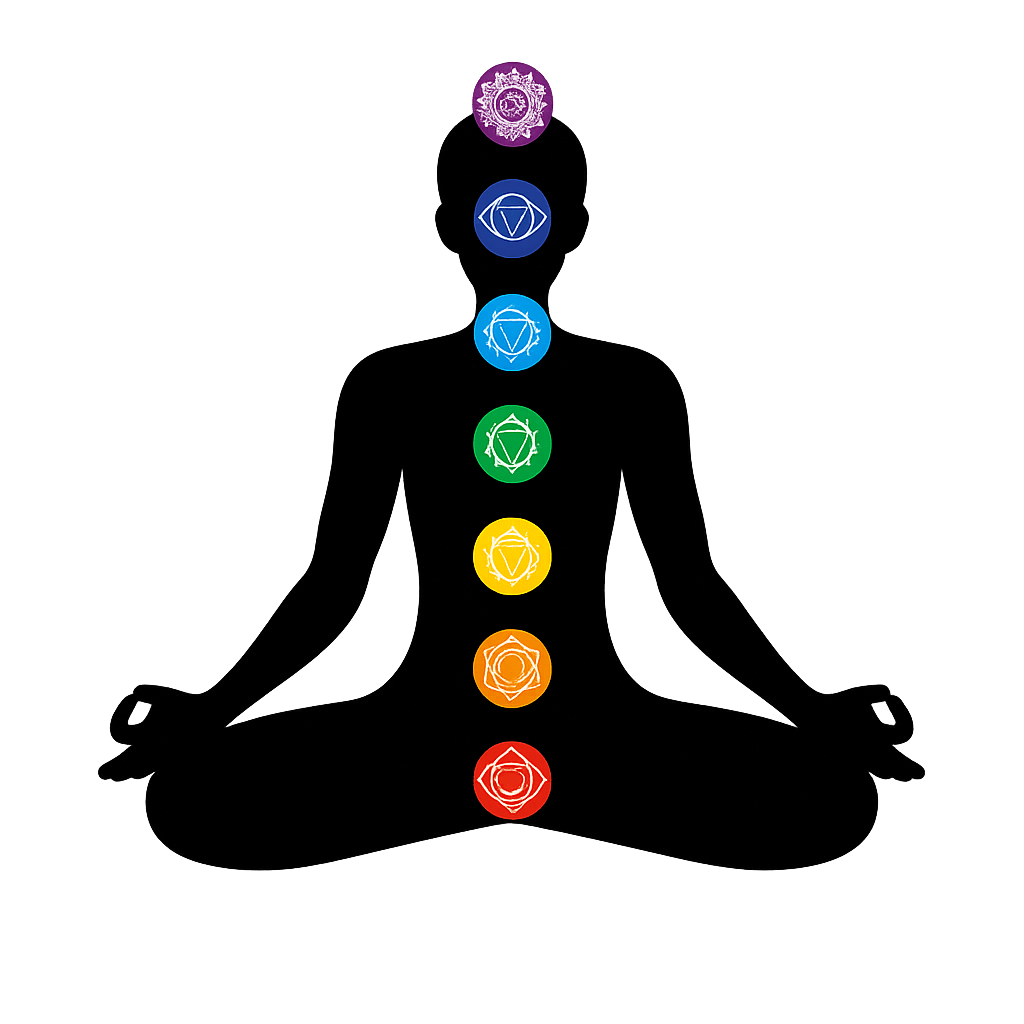
Each chakra is located at a specific point along the spine, from the base to the crown of the head.
They are traditionally seen as spinning vortices, often imagined clockwise, symbolising vitality and movement.
Each chakra is linked with nearby organs and glands, influencing physical, emotional, and spiritual wellbeing.
Energy flows upward through these centres, connecting body and consciousness.
Chakras and Consciousness
Chakras are often described as “maps of awareness.”
Lower chakras (Root, Sacral, Solar Plexus) relate to grounding, creativity, and personal power.
Higher chakras (Heart, Throat, Third Eye, Crown) connect to love, expression, intuition, and spiritual insight.
The higher the chakra, the more it represents expanded states of consciousness.
Chakras and Emotional Memory
Healing traditions teach that chakras hold imprints of significant life experiences.
Just as the brain stores memories, chakras are seen as an “energy memory system,” encoding emotional events.
This symbolic framework helps explain why certain emotions may feel “stored” in the body until released.
The Seven Main Chakras
Chakra
Sanskrit Name
Colour
Location
1️⃣ Root
Muladhara
🔴Red
Base of the spine
2️⃣ Sacral
Svadhisthana
🟠Orange
Just below the navel
3️⃣ Solar Plexus
Manipura
🟡Yellow
Just above the navel
4️⃣ Heart
Anahata
🟢Green
Centre of the chest
5️⃣ Throat
Vishuddha
🔵Blue
Throat
6️⃣ Third Eye
Ajna
🟣Indigo
Between the eyebrows
7️⃣ Crown
Sahasrara
⚪ White / Violet
Crown of the head
Why Balance Your Chakras?
When chakras are balanced, energy flows freely, supporting vitality, clarity, and harmony across body, mind, and spirit. When blocked or overactive, this flow is disrupted, leading to fatigue, tension, mood swings, or a sense of disconnection. Because body and consciousness are interconnected, imbalance in one area can ripple outward, creating symptoms in other aspects of life.
Chakra
Blocked
Balanced
Overactive
Root
Disconnected, restless, fearful, insecure about basic needs
Grounded, safe, stable, strong will to live
Rigid, resistant to change, overly materialistic, dependent
Sacral
Low creativity, fatigue, emotional detachment
Passionate, creative, open, enjoys intimacy
Over‑emotional, dramatic, codependent, addictive
Solar Plexus
Low confidence, indecisive, helpless
Confident, courageous, disciplined, purposeful
Controlling, critical, aggressive, perfectionist
Heart
Withdrawn, isolated, unforgiving
Compassionate, empathetic, peaceful, loving
Over‑giving, jealous, poor boundaries, codependent
Throat
Fear of speaking, timid, misunderstood
Honest, expressive, authentic, attentive listener
Gossiping, arrogant, overly opinionated, harsh words
Third Eye
Low intuition, poor focus, disconnected
Clear thinking, mindful, intuitive, visionary
Over‑analytical, anxious, obsessive, mental fog
Crown
Spiritually detached, uninspired, disconnected
Spiritually connected, serene, aware, unified
Elitist, ungrounded, spiritually addicted, superior
Cosmic Energy:
Cosmic Energy is the universal life force that enters the body through the crown chakra. It flows into us and is distributed throughout the chakra system, nourishing our energy anatomy. This energy is known by many names God, spirit, soul, and various other terms across different traditions and legends. Regardless of one’s religious beliefs, it is recognised as the foundational energy that animates and connects all living beings. Often, we tend to believe that only what we can see and touch is real, losing sight of the unseen forces that influence our experiences. However, we are rapidly learning to perceive and understand these subtle planes of existence.
Grounding Energy:
Grounding energy is the essence of nature, the natural world that surrounds and supports us. It flows through sunlight, the waves of the sea, and the tranquillity of woodland walks. This energy helps relieve stress, restore balance, and promote overall well-being. Grounding energy rises from the core of the Earth and enters our bodies through our feet when we stand. It harmonises and stabilises all other energies within us.
References
1) Burr, H. S. (1944). Electromagnetic fields and life. Yale Journal of Biology and Medicine.
2) Rubik, B. (2002). The biofield hypothesis: Its biophysical basis and role in medicine. Journal of Alternative and Complementary Medicine.
3) Hunt, V. (1995). Infinite mind: The science of human vibrations. Malibu, CA: Malibu Publishing.
4) Gundling, D. H. (1977). Electrophysical and psychotronic correlates of music (Doctoral dissertation). Saybrook Institute, San Francisco, CA.
5) Collinge, W. (1998). Subtle energy: Awakening to the unseen forces in our lives. New York, NY: Warner Books.
6) Blavatsky, H. P. (1888). The secret doctrine: The synthesis of science, religion and philosophy. London & New York: Theosophical Publishing House.
7) Besant, A. (1900). Man and his bodies (Theosophical Manual No. VII). Adyar, Madras: Theosophical Publishing House. (Original work published 1896)
8) Brennan, B. A. (1987). Hands of light: A guide to healing through the human energy field. New York, NY: Bantam / Pleiades Books.
9) Cho, Z.-H., Chung, S.-C., & Lee, H.-J. (1998). New findings of the correlation between acupoints and corresponding brain cortices using functional MRI. Proceedings of the National Academy of Sciences.
10) Jones, J. P., & Bae, Y. K. (2004). Ultrasonic visualisation and stimulation of classical Oriental acupuncture points. Medical Acupuncture.
11) Schlebusch, M.-O., & Popp, F. A. (2005). Biophotonics in the infrared spectral range reveal the acupuncture meridian structure of the body. Journal of Alternative and Complementary Medicine.
12) Yan, X., Shen, X., & Lu, D. (1992). Studies on the luminescence of channels. Journal of Traditional Chinese Medicine.
13) Wang, H., Hu, X., & Wu, B. (1993). Displaying of the infrared radiant track long meridians on the back of the human body. Chen Tzu Yen Chiu Acupuncture Research.
14) Ahn, A. C., Wu, J., Badger, G. J., Hammerschlag, R., & Langevin, H. M. (2005). Electrical impedance along connective tissue planes associated with acupuncture meridians. Journal of Alternative and Complementary Medicine.
15) Zhao, L., Shan, Y., Shan, B., & Fang, J. (2023). Research applications of PET/MR imaging in the brain mechanisms of acupuncture. In PET/MR: Functional and molecular imaging of neurological diseases and neurosciences.
“If you want to find the secrets
of the universe, think in
terms of energy, frequency
and vibration” Nikola Tesla
Are you ready to stop living
by cause and effect
and learn how
to cause an effect?
✦ ALIGN ✦ TRANSFORM ✦ THRIVE